Heritage Kashmir · Pampore, Kashmir
Saffron across India, state by state
The same spice is called 14 different things between Kanyakumari and Leh, costs three times as much in Itanagar as in Delhi, and belongs in a completely different dish depending on which kitchen it lands in. These 36 pages answer the questions each state actually asks — 216 of them — written by the family that grows it.
One price at the farm, thirty-six prices at retail
Genuine ISO 3632 Grade I Kashmiri Mongra costs ₹330–360 a gram direct from a Pampore grower family. That number does not change with your postcode. What changes is everything that happens after the jar leaves a farm: an import margin, a wholesale margin at Khari Baoli or Burrabazar or Begum Bazaar, a regional hub margin at Siliguri or Guwahati, and a local retail margin. Delhi adds two of those. Guwahati adds four. Itanagar adds five.
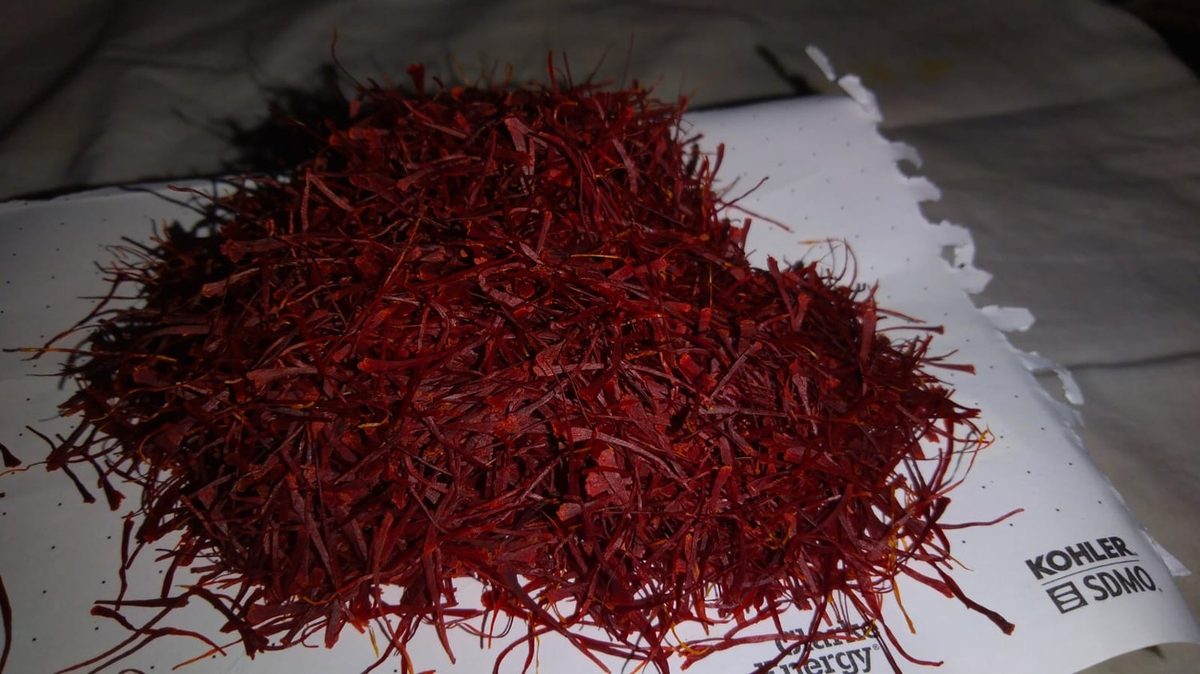
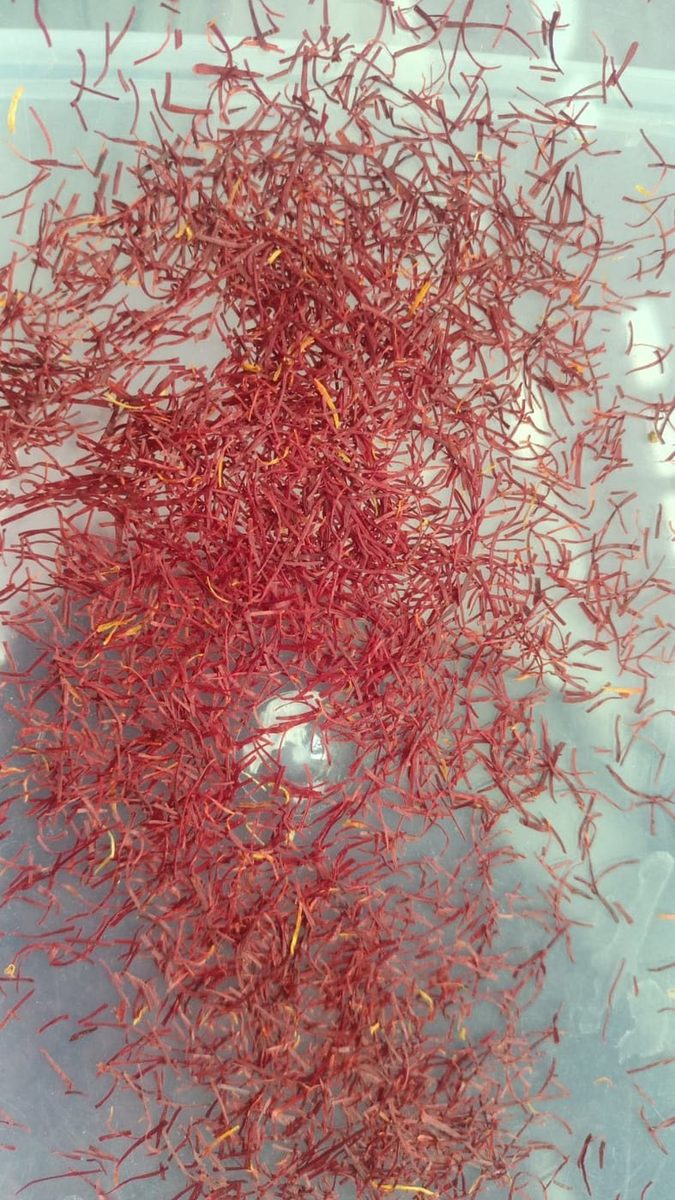
So the same grade retails at roughly ₹500–900 in Delhi, ₹550–950 in Bengaluru, and ₹600–1,000 in Itanagar, Imphal and Aizawl. None of that gap buys better saffron. It buys distance. And at the bottom of every one of those markets sits the other problem: Iranian bulk stock — genuine saffron, different origin, lower price — relabelled as Kashmiri somewhere along the chain, plus Lachha grades where the yellow style is left on the thread so you pay for weight that carries no colour.
Each state page below sets out the local version of that: the bazaar people actually compare us against, what specifically goes wrong in it, and an honest transit time rather than a national promise.
What saffron is called, in each script
Search behaves differently in each of these. A buyer typing kungumapoo and one typing kumkuma puvvu are asking the same question in two languages and getting two entirely different sets of results.
| Name | Roman | Where |
|---|---|---|
| केसर | kesarHindi | Delhi, Haryana, Himachal Pradesh, Uttarakhand, Uttar Pradesh, Rajasthan, Andaman & Nicobar Islands, Bihar, Jharkhand, Sikkim, Arunachal Pradesh, Meghalaya, Mizoram, Nagaland, Madhya Pradesh, Chhattisgarh |
| ਕੇਸਰ | kesarPunjabi | Punjab, Chandigarh |
| کونگ | kongKashmiri | Jammu & Kashmir |
| གུར་གུམ | gur-gumLadakhi/Bhoti | Ladakh |
| केशर | kesharMarathi | Maharashtra, Goa |
| કેસર | kesarGujarati | Gujarat, Dadra & Nagar Haveli and Daman & Diu |
| குங்குமப்பூ | kungumapooTamil | Tamil Nadu, Puducherry |
| ಕೇಸರಿ | kesariKannada | Karnataka |
| കുങ്കുമപ്പൂവ് | kunkumappoovuMalayalam | Kerala, Lakshadweep |
| కుంకుమ పువ్వు | kumkuma puvvuTelugu | Andhra Pradesh, Telangana |
| জাফরান | jafranBengali | West Bengal, Tripura |
| କେଶର | kesharaOdia | Odisha |
| কেশৰ | kexorAssamese | Assam |
| কেশর | kesarMeiteilon/Manipuri | Manipur |
Every state and union territory
North India
Central India
Northeast India
South India
Island territories
Questions that cross states
- What is saffron called in different Indian languages?
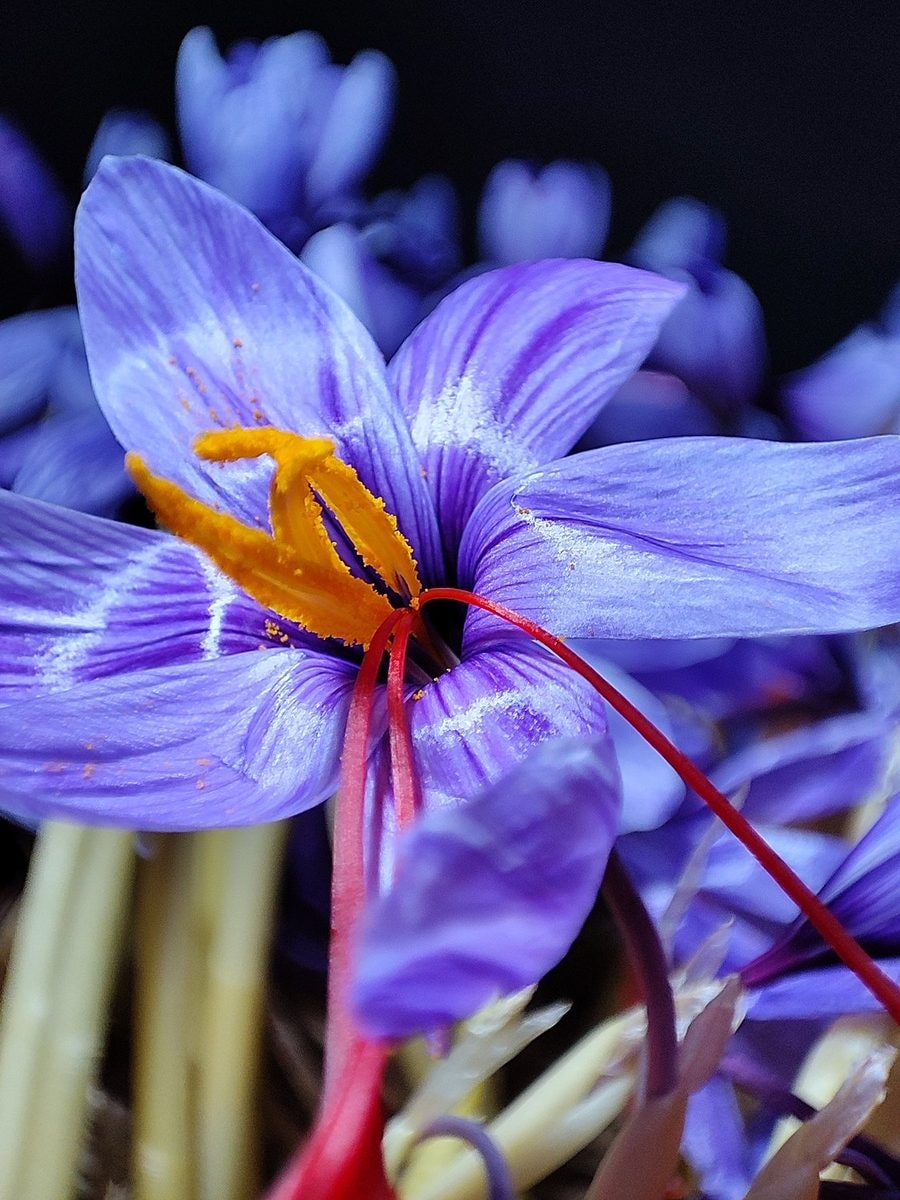
- Kesar in Hindi, Punjabi, Gujarati and Marathi (from the Sanskrit kesara); zafran in Urdu and Deccani (from the Persian za'farān); kong in Kashmiri; jafran or keshar in Bengali, Assamese and Odia; kungumapoo in Tamil; kumkuma puvvu in Telugu; kesari or kunkuma kesari in Kannada; kunkumappoovu in Malayalam; and gur-gum in the Tibetan-language Buddhist traditions of Ladakh, Sikkim and Arunachal. All of them mean one thing: the three dried red stigmas hand-picked from each Crocus sativus flower.
- Is saffron grown anywhere in India outside Kashmir?
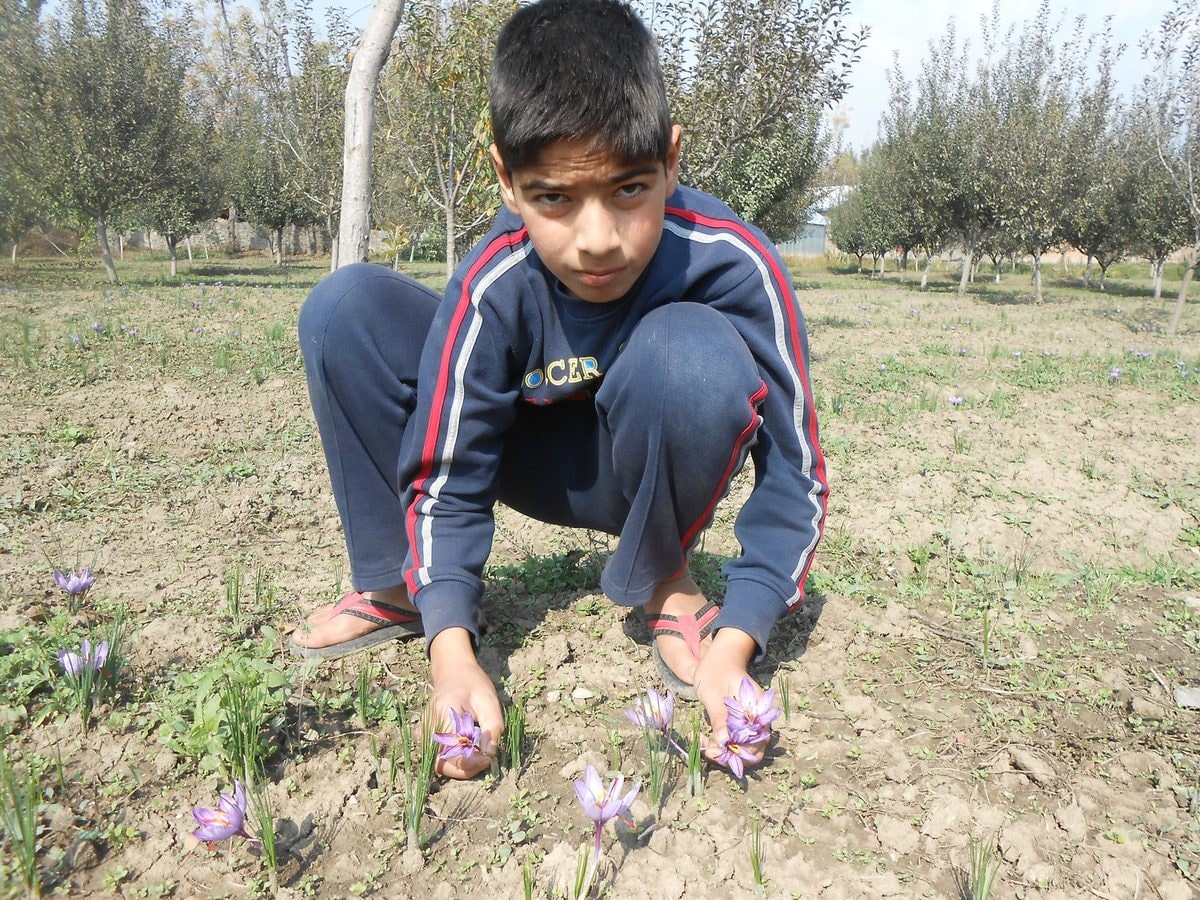
- Almost nowhere at commercial scale. Kashmir — specifically the karewa plateaus around Pampore in Pulwama district — accounts for essentially all Indian production, and the Government of India's 2020 Geographical Indication restricts the name 'Kashmir Saffron' to saffron grown there. Small trial cultivation exists elsewhere: Himachal Pradesh has grown it in Lahaul, Kinnaur and Chamba, and the North East Centre for Technology Application and Reach has run trials at Yangyang in South Sikkim and in parts of Arunachal Pradesh, Meghalaya and Mizoram using Kashmiri corms. All of it is research-scale. If you are buying Indian saffron today, it came from Kashmir.
- Why does saffron cost so much more in some Indian states than others?
- Distance and the number of hands it passes through, not quality. Delhi buyers are one hop from Khari Baoli; Guwahati sits at the end of a chain that runs import counter, Burrabazar, Siliguri, then local retail; Itanagar and Aizawl add one or two more. That is why the same ISO 3632 Grade I Mongra retails around ₹500 a gram in Delhi and ₹1,000 in Itanagar. Buying direct from the grower removes the whole intermediate chain, which is why the origin price is the same ₹330–360 a gram whether the parcel goes to Gurugram or to Kavaratti.
- Which Indian states use the most saffron?
- By household intensity: Gujarat, Maharashtra, Rajasthan, Uttar Pradesh, Punjab and Telangana. Gujarat and Maharashtra run on shrikhand and the milk-sweet tradition; Rajasthan on ghevar, malpua and a heavy wedding calendar; Uttar Pradesh and Telangana on the Awadhi and Deccani kitchens, where biryani, korma, zarda and double ka meetha depend on it. At the other end, the Northeast's indigenous food traditions — Naga, Mizo, Khasi, Adi, Meitei — use no saffron at all, and demand in those states comes from Christmas baking, settled communities and the restaurant trade.
- Is the saffron sold in pilgrim and temple markets real?
- Frequently not. Shrine markets at Haridwar, Varanasi, Tirupati, Ajmer, Puri, Ujjain and Deoghar sell a great deal of safflower (kusum) and dyed thread as kesar, at saffron prices, to visitors buying puja items quickly who will not return to complain. Safflower is a legitimate traditional material with its own name and its own ritual use — the problem is only the price attached to it. The water test settles it in ten minutes: real saffron releases gold slowly and the thread stays whole and dark red; safflower bleeds yellow-orange fast and goes limp and pale.
- Do you ship saffron to every Indian state?
- Yes — every serviceable PIN code in all 28 states and 8 union territories, prepaid, via DTDC. Dispatch is within 24–48 hours of a confirmed order from Pampore. Transit ranges from 2–4 business days within Kashmir and 3–5 to Delhi NCR, out to 7–10 for the southern metros, 9–14 for the Northeast interior, and 10–15 for Lakshadweep and the Andamans. Each state page carries its own honest range rather than a single national promise we could not keep.
We grow this saffron on family land in Pampore, sort it by hand, seal it there in tamper-evident packaging with a batch code, and ship it prepaid anywhere in India. One hop from the field to your kitchen.
Pampore Saffron FPO, J&K · FSSAI 11022470000019