
Heritage Kashmir · South India
Kashmiri Saffron in Puducherry
- Saffron in Tamil:குங்குமப்பூ(kungumapoo)
- Saffron in Telugu (Yanam):కుంకుమ పువ్వు(kumkuma puvvu)
The short answer
Puducherry buys its saffron through Chennai and Cuddalore, so local retail carries a Tamil Nadu markup plus a small-market one — roughly ₹550–950 a gram, against ₹329–359 direct from a Pampore grower family. The territory's four scattered districts each sit in a different linguistic and culinary world: Puducherry and Karaikal are Tamil, Yanam is Telugu, Mahe is Malayalam, and all four carry a French colonial layer that shows in the bakery and pâtisserie trade. Saffron demand here is small, temple-led and restaurant-led, with the town's substantial French and expatriate food scene buying more of it per head than local households do.
Kesar price in Puducherry today, and the rate per gram
| Local shops, Kashmiri-labelled Grade 1 | ₹550–950 a gram |
|---|---|
| Direct from Pampore, ISO 3632 Grade I | ₹329–359 a gram |
| Per kg, for bulk buyers | ₹3.29–3.59 lakh · 1 kg kesar price explained |
Prices as of 30 October 2026.
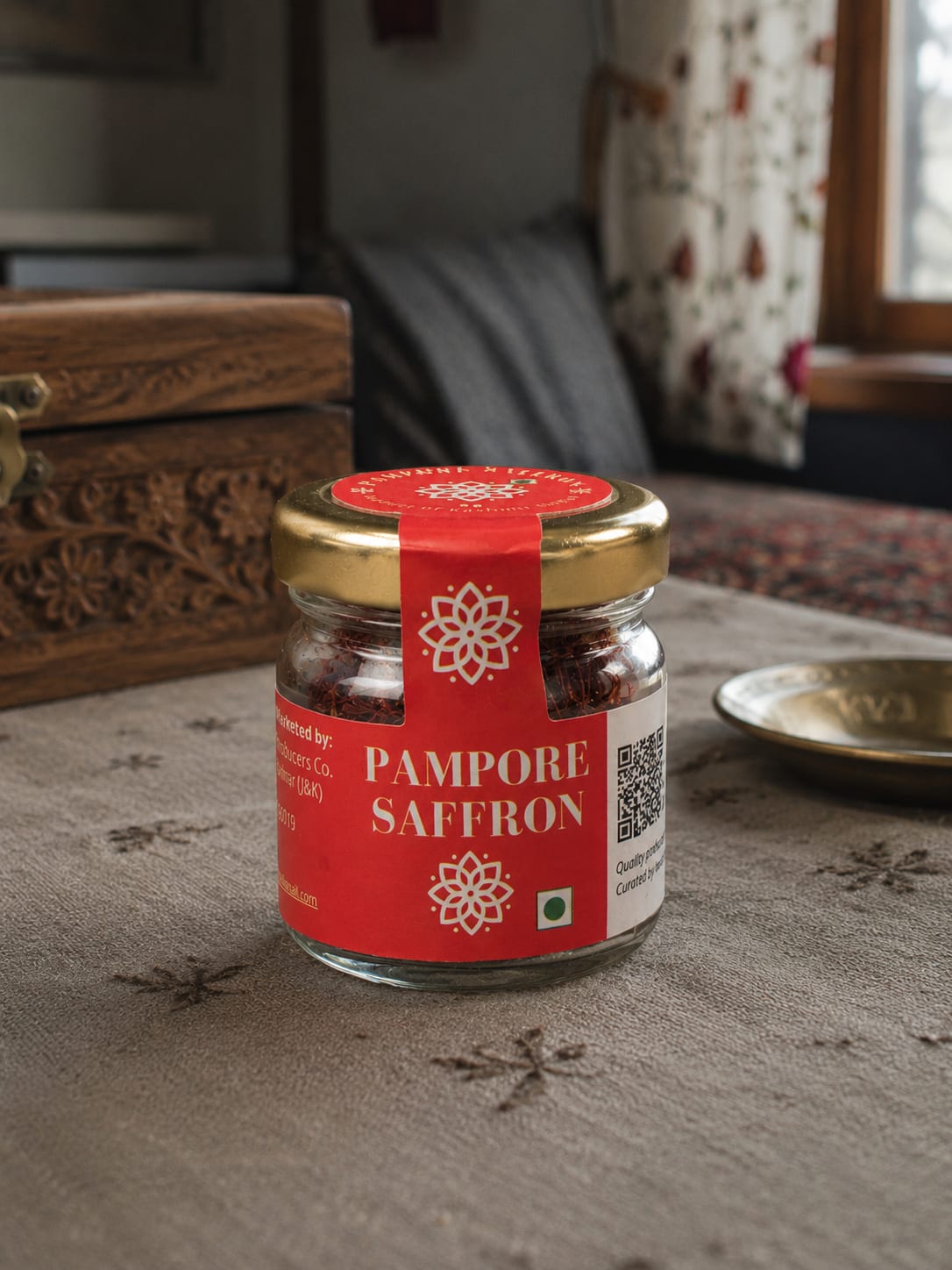
Four districts, four supply lines, one small market
There is no wholesale spice trade in Puducherry. The main town's Grand Bazaar and the provision shops around Mission Street stock saffron bought in from Chennai, and Karaikal, Yanam and Mahe each source from their surrounding state — Tamil Nadu, Andhra Pradesh and Kerala respectively. That fragmentation means there is no single local price and no local authority on origin.
Puducherry's restaurant sector is disproportionately large for the town's size and includes a real French and Mediterranean segment. That trade uses saffron in a European register — bouillabaisse, paella-style rice, saffron cream sauces — which is genuinely different from how the surrounding Tamil households use it, and it buys more consistently.
As everywhere in South India, the pilgrim and temple retail around the town's shrines sells a certain amount of safflower as saffron. And as everywhere on the coast, humidity is the storage problem that matters.
- No local wholesale trade — stock arrives from Chennai, Cuddalore and the neighbouring states.
- Four districts, four different regional supply lines and four different local names.
- The French and Mediterranean restaurant trade is a real and distinct saffron buyer here.
- Coastal humidity: airtight glass, dark cupboard, small jars.
From our fields, in our jars
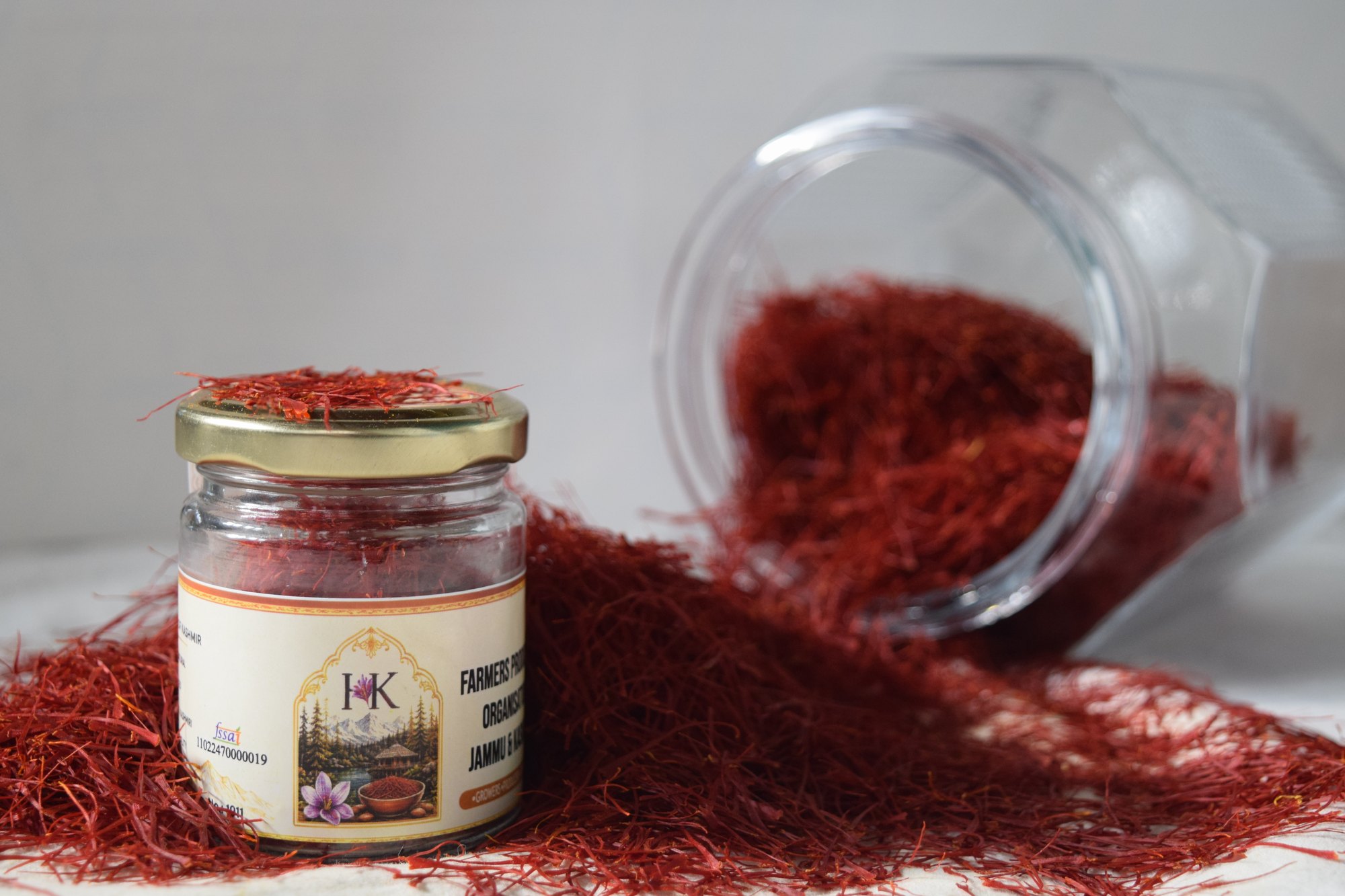
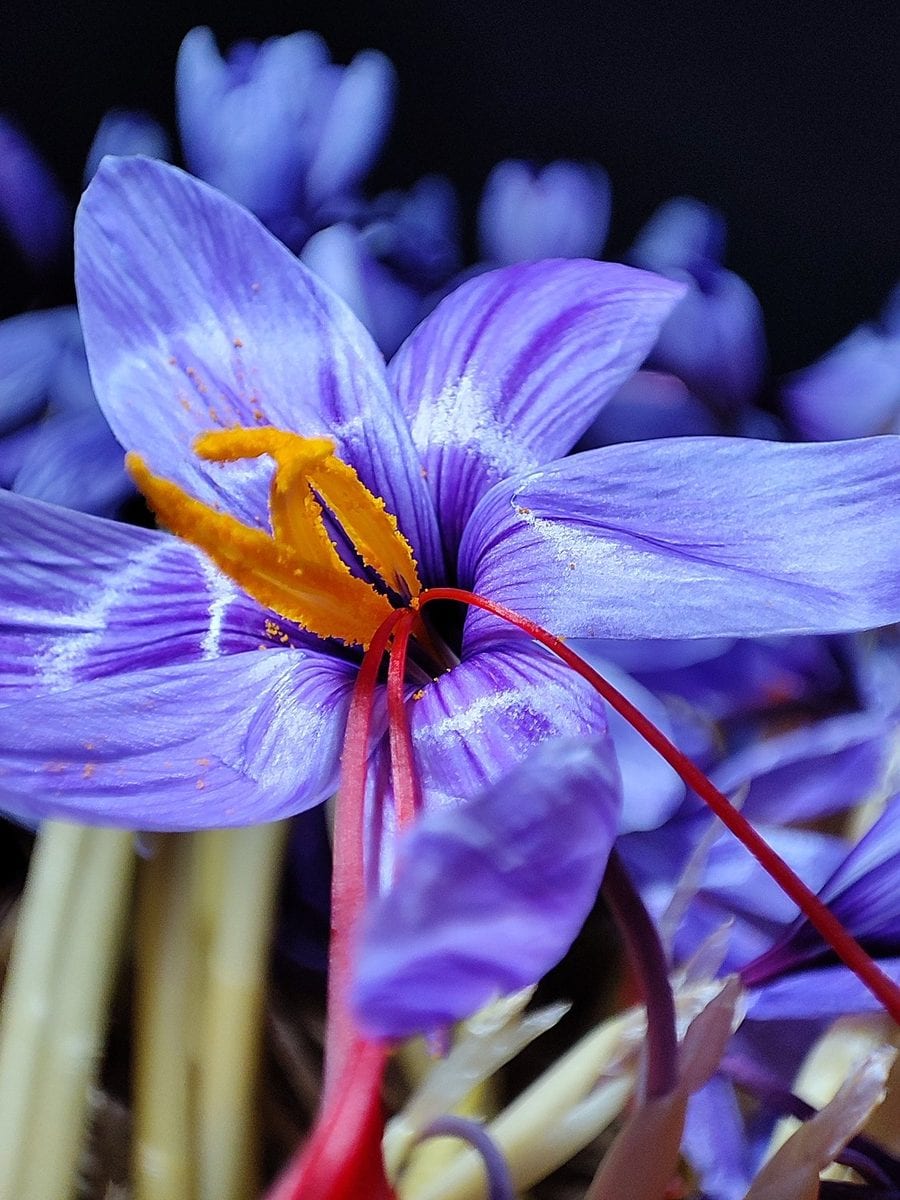
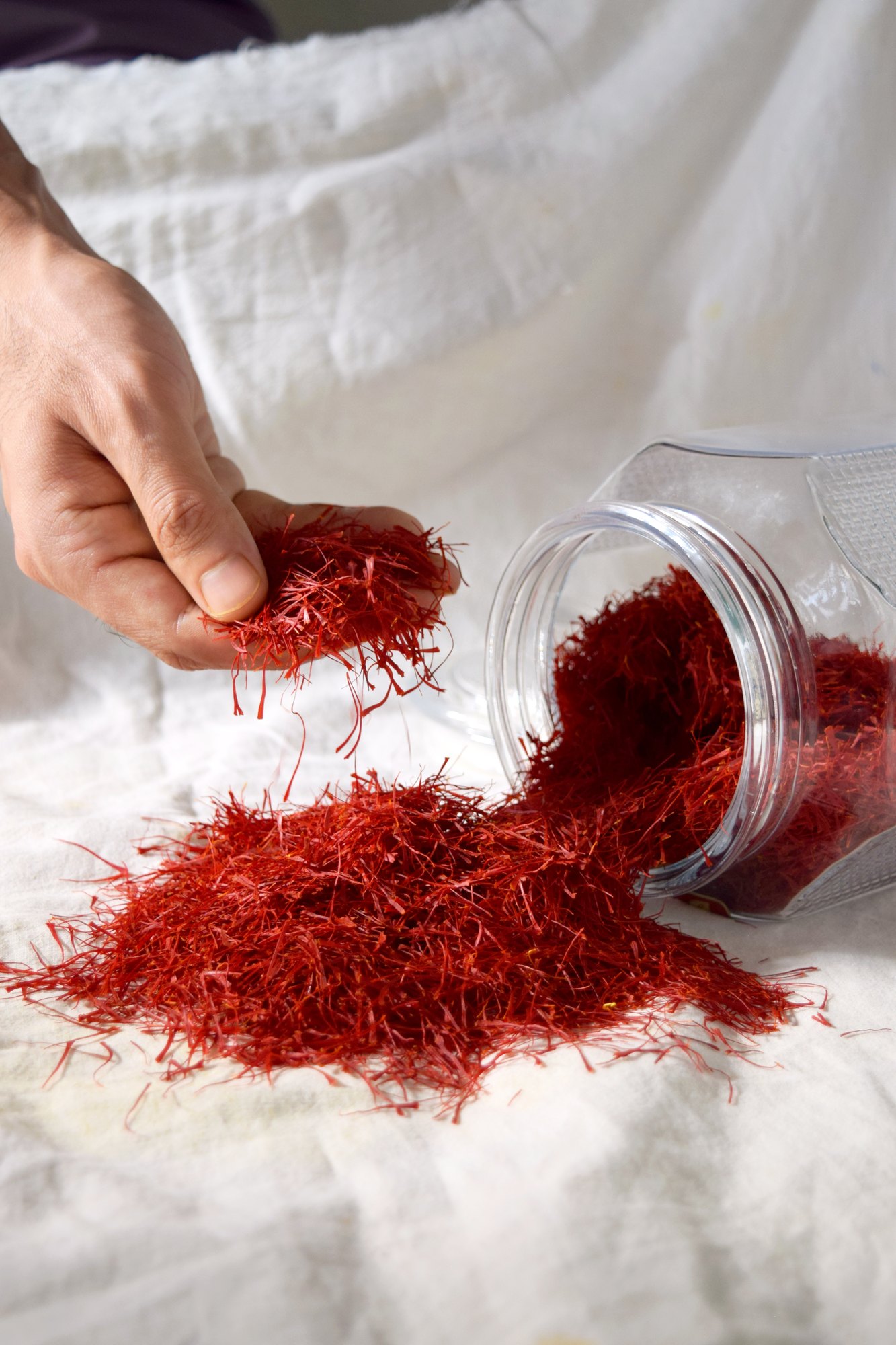
Tamil payasam, French pâtisserie, and the Creole middle
Tamil households in Puducherry and Karaikal use saffron the way Tamil Nadu does — paal payasam and semiya payasam at Pongal, Deepavali and weddings, and steeped saffron over biryani rice at dum in the Muslim wedding kitchens. Yanam follows Andhra's payasam and paramannam traditions, and Mahe follows Kerala's payasam and Malabar biryani.
The French colonial legacy shows in the town's bakeries and in a Creole home-cooking tradition that blends the two. Saffron appears in the French register here — in rice dishes, in cream and seafood preparations, and occasionally in the pâtisserie — which is unusual in India and worth knowing if you cook that way, because the quantities and the method are different. A saffron cream sauce wants the threads steeped in warm cream or stock for twenty minutes before use, not tossed in.
Temple use at the town's shrines and at Karaikal Ammaiyar's temple follows the Tamil pattern: saffron in abhishekam preparations and in the milk offered to the deity.
- Paal payasam and semiya payasam at Pongal, Deepavali and weddings.
- Muslim wedding biryani — steeped saffron over the rice at dum.
- French and Creole cooking — saffron steeped in warm cream or stock for twenty minutes.
- Temple abhishekam and offering milk.
Delivery to Puducherry
Puducherry town and Karaikal, routing via Chennai, and Yanam and Mahe, through their neighbouring state hubs, take about 7 days by air (DTDC Airmax) or 7–8 days by road (DTDC Express) — calendar days from the day the parcel leaves Pampore, not business days. We dispatch from Pampore within 24–48 hours of a confirmed order, tamper-sealed and batch-coded, with DTDC tracking emailed on despatch.
We deliver across
- Puducherry
- Karaikal
- Yanam
- Mahe
Every serviceable PIN code in Puducherry — not only the cities listed. Free delivery on orders of ₹3,000 or more. Below ₹3,000, prepaid orders pay ₹60 delivery and cash on delivery pays ₹99. Prepaid orders get priority dispatch: DTDC Express (7–8 days) or DTDC Airmax (7 days to Puducherry).
Saffron in Puducherry — common questions
- Where can I buy real saffron in Puducherry?
- The Grand Bazaar and the Mission Street provision shops are the local options, stocked in from Chennai and priced at roughly ₹550–950 a gram — a Tamil Nadu markup plus a small-market one. There is no wholesale trade in the territory. Direct from a Pampore grower family is ₹329–359 a gram, sealed and batch-coded with the harvest year, delivered in about 7 days by air or 7–8 by road.
- Do you deliver to Karaikal, Yanam and Mahe?
- Yes, to every serviceable PIN code in all four districts. Puducherry town and Karaikal, via the Chennai route, and Yanam and Mahe, through the Andhra Pradesh and Kerala hubs respectively, take about 7 days by air or 7–8 by road. We ship by DTDC, prepaid or cash on delivery where DTDC offers it for your PIN code, sealed at source, with DTDC tracking emailed when the parcel leaves.
- How much saffron does a saffron cream sauce or French rice dish need?
- A generous pinch — 15 to 20 threads for four portions — and it needs time rather than heat. Crush the threads and steep them in a quarter cup of warm cream, milk or stock for a full twenty minutes before you add them to the pan; saffron releases its colour and aroma into warm liquid slowly, and it will not do it properly in the two minutes a sauce spends finishing. This is the same principle as steeping it in warm milk for payasam, just in a different medium.
- What is safran, and is it the same as kungumapoo?
- Yes. Safran is the French word for saffron, still current in Puducherry's bilingual food vocabulary, and kungumapoo is the Tamil. Both mean Crocus sativus — the dried red stigmas of the autumn crocus. Watch one adjacent term: in some French usage 'safran des Indes' means turmeric, which is an entirely different and far cheaper spice.
- How should I store saffron in Puducherry's coastal climate?
- Airtight glass in a dark cupboard, well away from the stove and the sink, and never in the fridge. Puducherry's coastal humidity will make saffron clump and lose aroma within months if the jar is loosely closed or opened frequently — moisture, not heat, is the real enemy. Buy a smaller jar you will finish within six to twelve months rather than a large one that sits open through two monsoons.
- How much saffron for payasam or a small family biryani?
- For a payasam serving six to eight, 10–15 threads steeped in two tablespoons of warm milk for fifteen minutes, stirred in off the heat. For a biryani with 1 kg of raw rice, about 20 threads steeped the same way and drizzled over the top layer before dum. In both cases the steeping is what matters — dry threads dropped into hot food give you red specks and very little aroma.
We grow and hand-sort this saffron ourselves in Pampore, seal it there in tamper-evident glass, and ship it to Puducherry. One hop, no repacking, a batch code on the jar.
Also shipping to Puducherry: Kashmiri saffron honey.
Pampore Saffron FPO, J&K · FSSAI 11022470000019
Also in South India