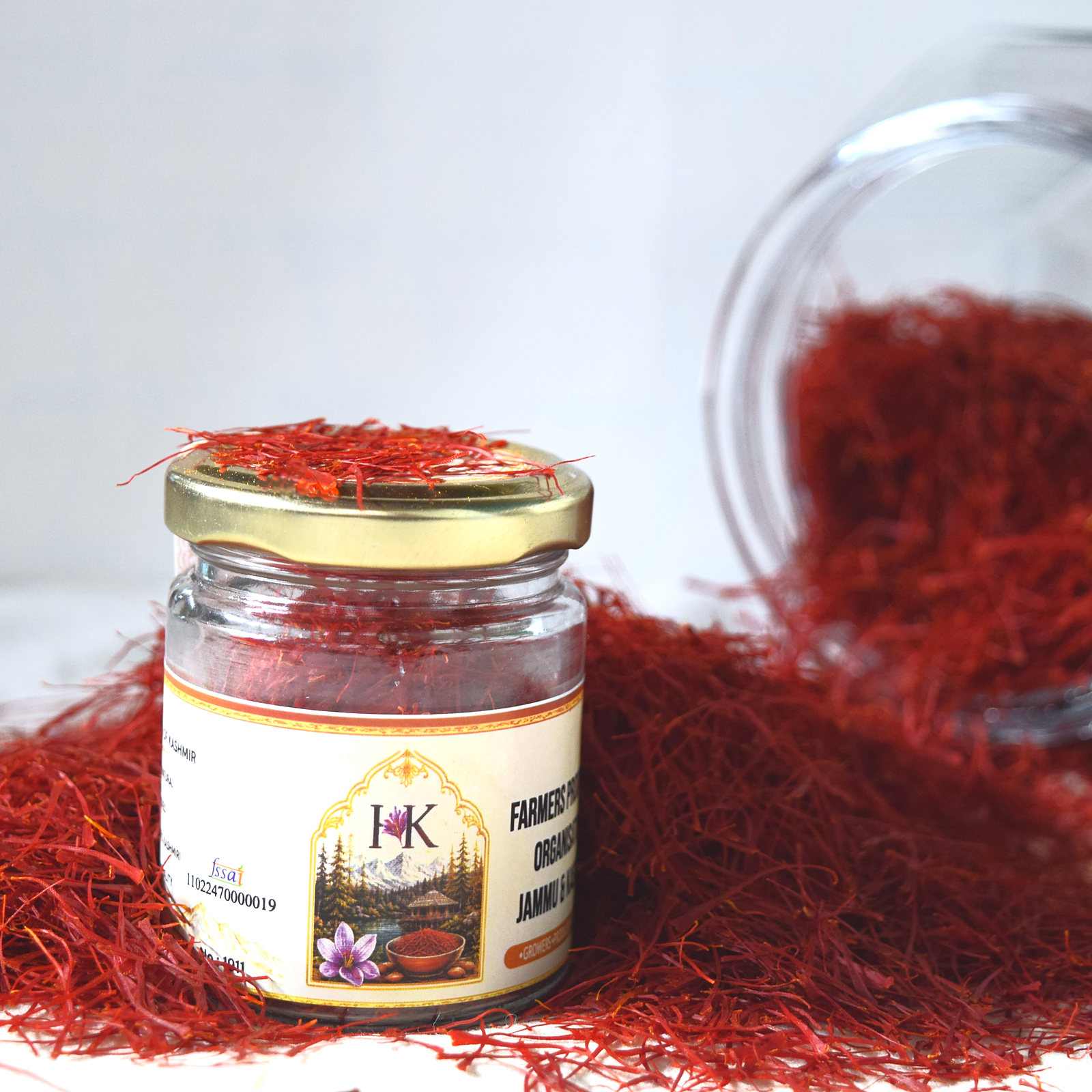
Grade I
Our shop is rated 5.0 out of 5 from 63 Google reviews
₹329/g₹450−27%
Long-thread, all-red Kashmiri Mongra kesar from our family's fields in Pampore. ISO 3632 Grade I, tested by IIKSTC's government lab — full report published.
Choose grade
Choose weight
₹1,795
₹359/g · GST-inclusive
ISO 3632 Grade I — tested by IIKSTC
IIKSTC Quality Evaluation Laboratory, Pampore · Government of J&K · NABL-accredited to ISO/IEC 17025
If your jar fails the home water-bloom test, or its grade or batch does not match, tell us within 7 days of delivery and we refund in full — no questions asked.
Report TC118432400000049E · lot L20020644 · issued 5 October 2026 · Returns & refunds
See the full lab reportThe same Kashmiri Mongra Saffron in every pack — only the quantity changes. The per-g column is the honest comparison, and it is the one worth making against any other seller.
| Pack | Price | Per g |
|---|---|---|
| 1 g | ₹359 | ₹359/gbest value |
| 2 g | ₹718 | ₹359/gbest value |
| 5 g | ₹1,795 | ₹359/gbest value |
| 10 g | ₹3,590 | ₹359/gbest value |
Prices as of 14 October 2026, GST included.
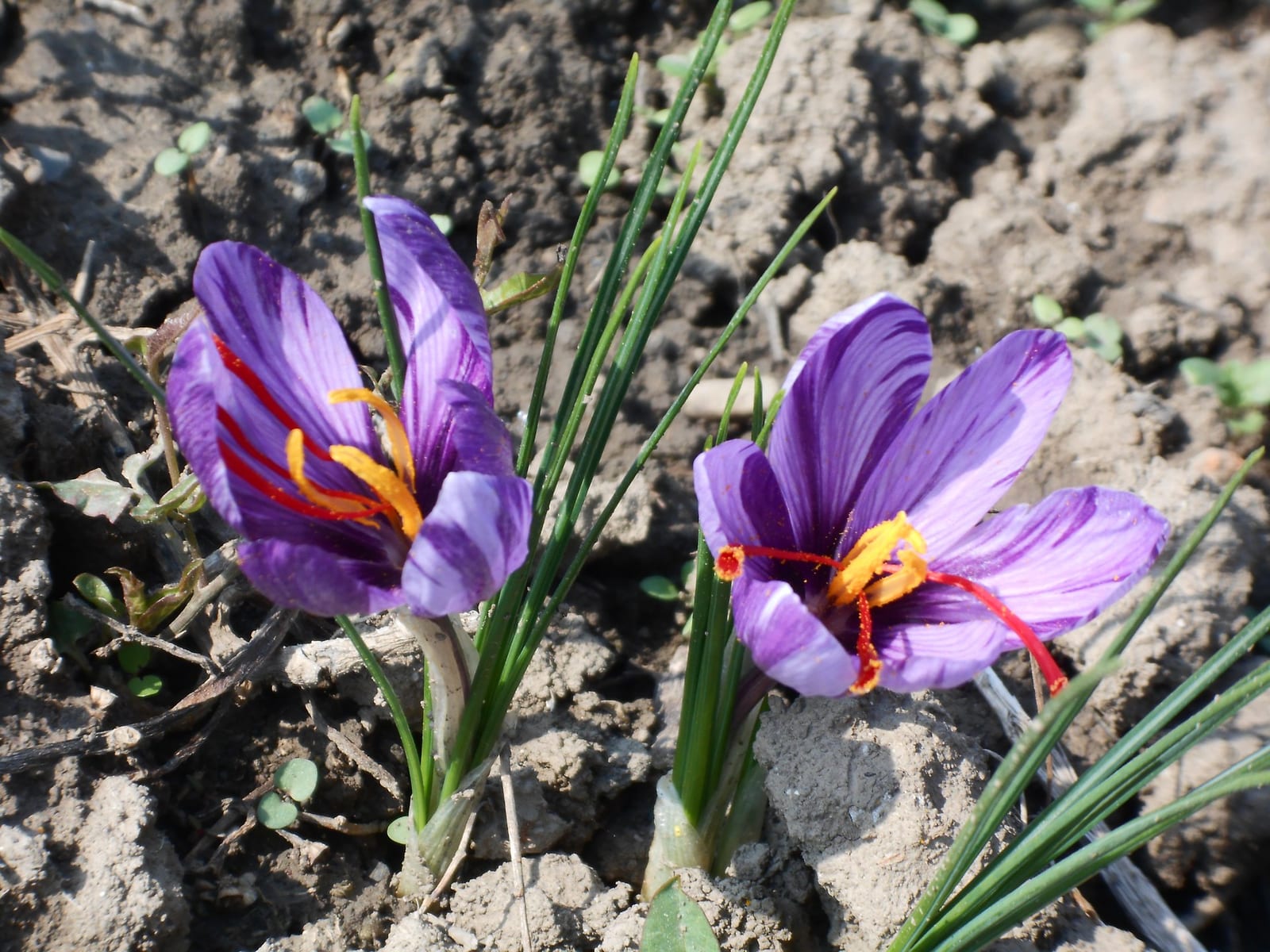
Kashmiri Mongra Saffron is the top of our all-red sort: only the longest, thickest, deep-crimson tips of the stigma, with the pale yellow style cut away. All red, no filler. Mongra is the Kashmiri name for this cut, and one of the three types of Kashmir saffron named in the Kashmir Saffron GI registration: Lachha, Mongra and Guchhi. These threads come from our own family fields in Pampore, where roughly 150-160 hand-picked crocus flowers go into a single gram, picked at dawn and separated the same day.
This jar and our Kashmiri Mongra Saffron (Short Thread) jar come out of the same harvest and the same all-red sort, tested ISO 3632 Grade I by IIKSTC. The difference is thread length: this jar is the long, unbroken top of the sort, picked out by hand. If you want the same saffron at a lower price and don't mind shorter threads, the Short Thread jar is ₹329/g.
Proof you can hold. Our saffron is tested by the IIKSTC Quality Evaluation Laboratory in Pampore, a NABL-accredited Government of J&K lab, and graded ISO 3632 Grade I: colouring strength (crocin) 217.51 against a Grade I minimum of 200, moisture 11.72%. The full report is published on our Lab reports page. Every jar is premium glass with a tamper-evident seal, packed by an FSSAI-licensed grower family (licence 11022470000019). Check it yourself too with the water-bloom test — drop a few threads in warm water and genuine saffron releases a golden-yellow colour slowly over 10-15 minutes while the threads stay whole and flare trumpet-shaped at the tip. Dyed or Iranian re-pack bleeds red almost instantly.
Ways to use it. Cooking: bloom 8–10 threads in two tablespoons of warm milk or water for 10 minutes, then stir into biryani, pulao, kheer, phirni, badam milk, or baking. Kahwa: 3-4 threads per cup with the green tea and spices. Kesar milk: a small pinch in warm milk at night — a long-standing practice in many Indian households, including during pregnancy (check with your doctor first). Skin: steep a few threads in raw milk or rose water for a homemade face milk. Saffron is also central to Indian festive gifting and pooja.
How long it lasts: a 1 g jar holds roughly 450 threads — about 45 servings, or two to three months for a household that cooks with saffron weekly. The 5 g and 10 g jars are the everyday-cooking and gifting sizes.
Storage: keep the jar sealed, away from light and moisture — a cool dark cupboard, not the fridge. Stored well, Grade I saffron holds its colour and aroma for over two years.
What saffron gives you
The harvest, on film
Thirty-nine seconds from the field. The reel beside it is the same walk — flower, hand, drying rack, sealed jar.
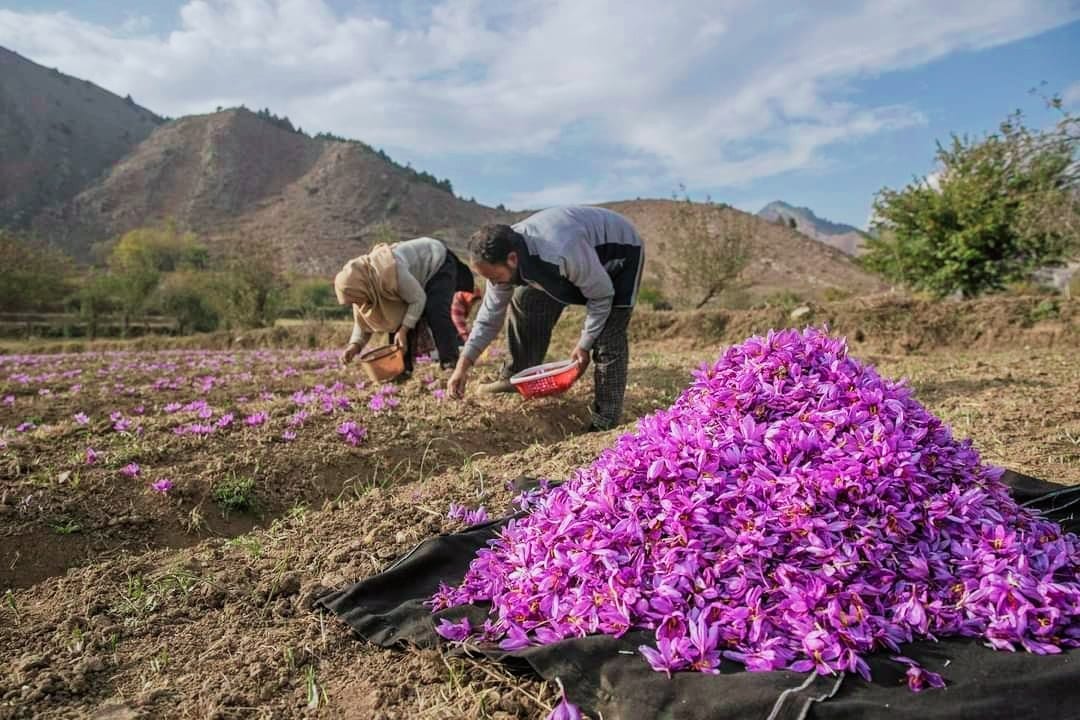
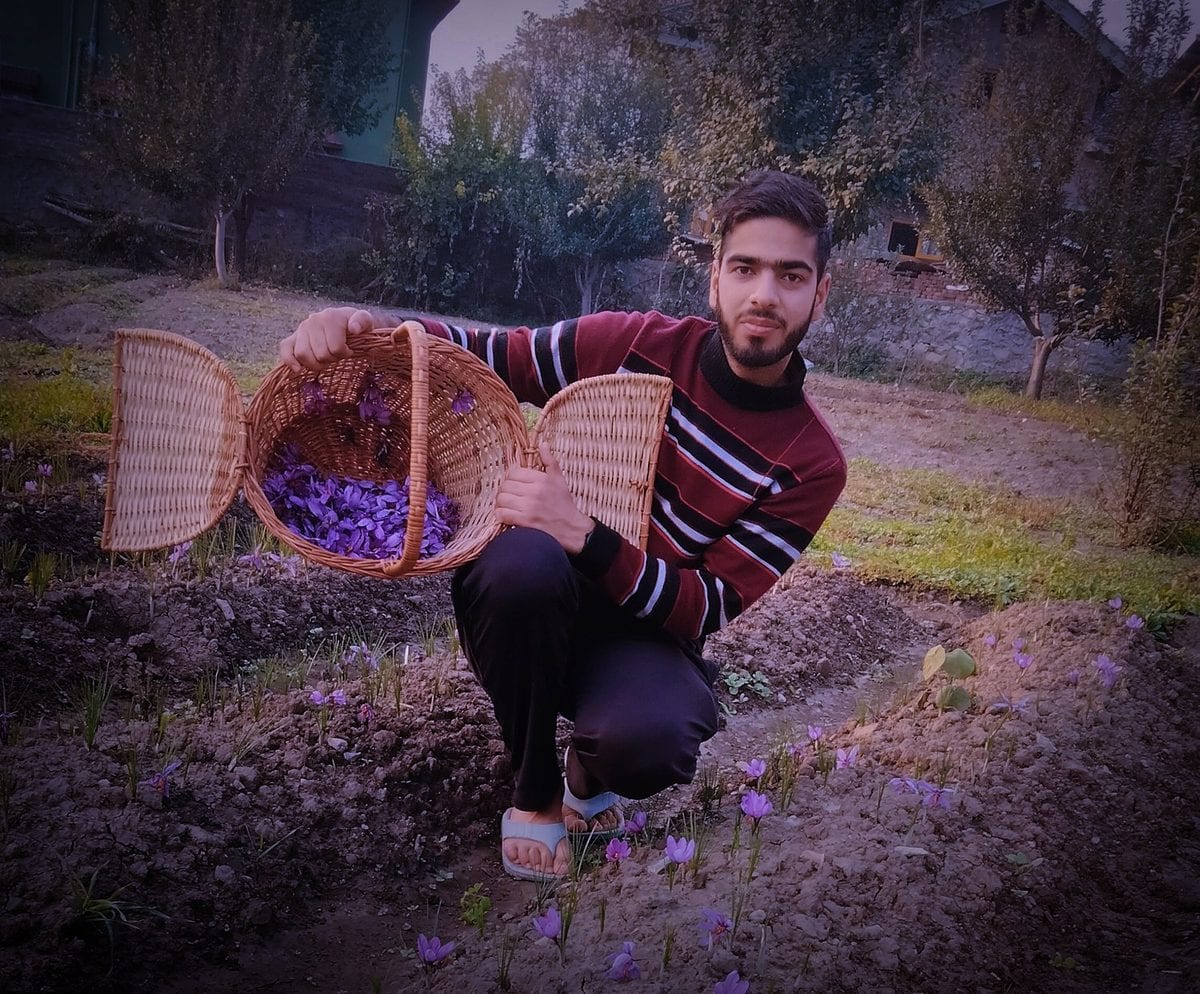
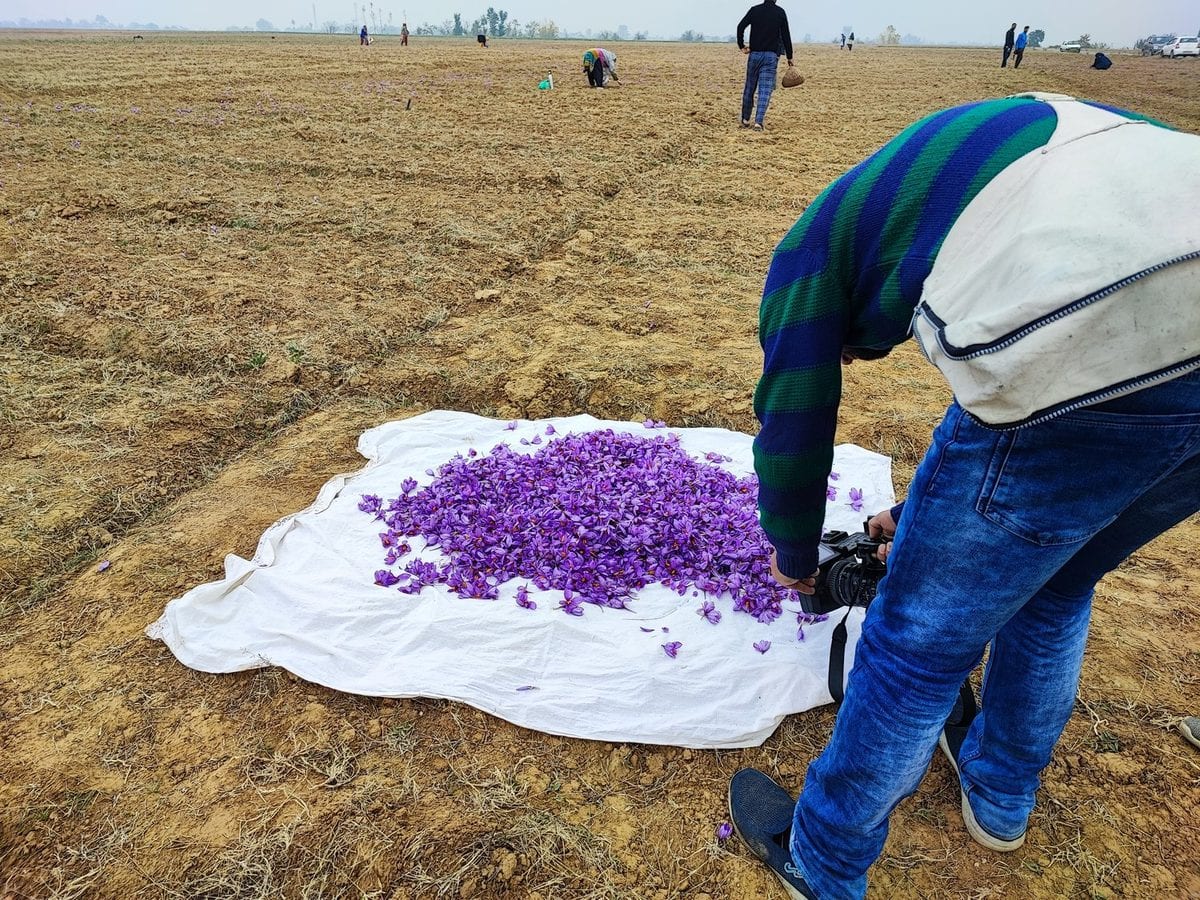
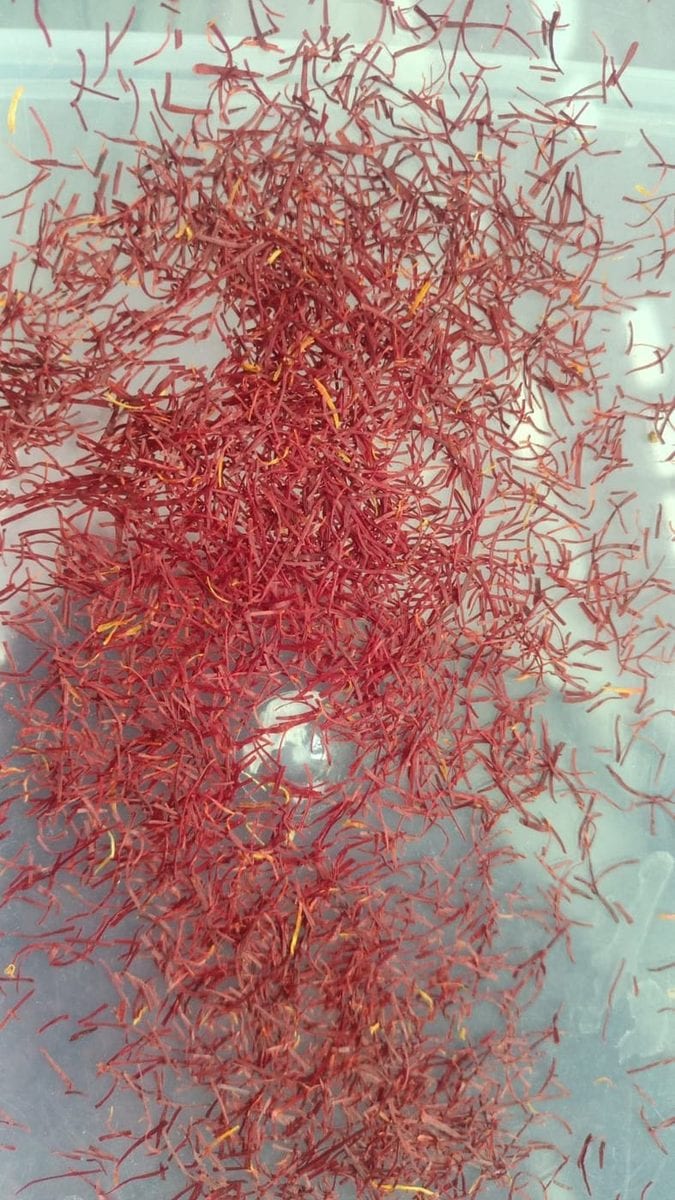
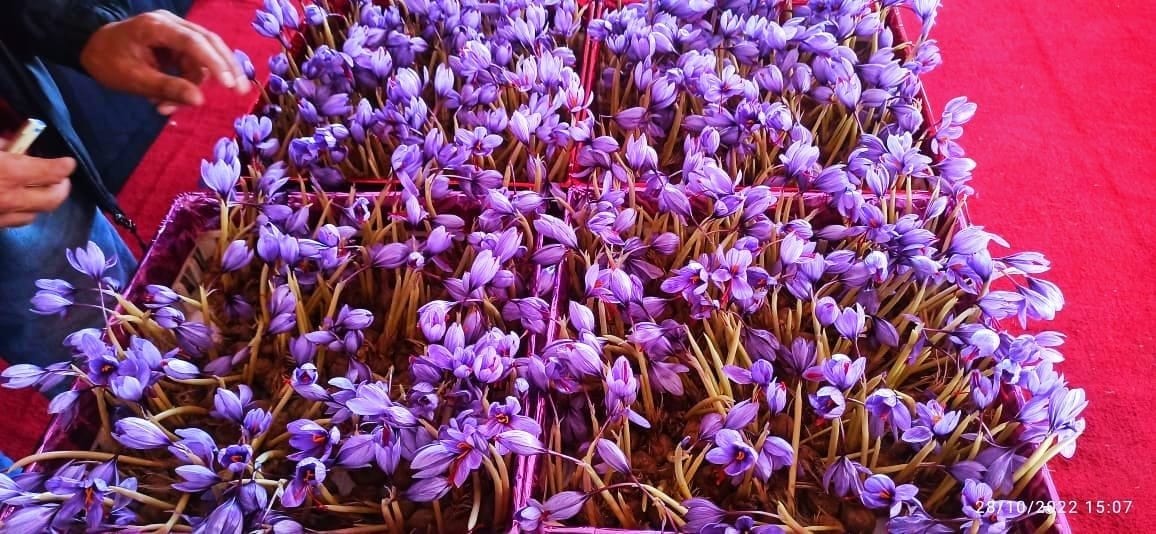
We grow it ourselves in Kashmir — so you can compare on facts, not marketing.
| The Heritage Kashmir | Typical online sellers | |
|---|---|---|
| Where it comes from | Grown and hand-sorted by our own family in Pampore — the fields are ours | Outsourced from mandis, importers or re-packers. Most brands, however big, do not own a farm. |
| Proof of what you get | ISO 3632 Grade I lab report from IIKSTC, published in full — plus a water-bloom test you run yourself | No verifiable proof — just a label |
| Freshness | Packed fresh from our own harvest, in a premium glass jar | Unknown stock age, often months old |
| Purity | Single-origin — never blended | Often blended, dyed, or re-packed Iranian saffron |
| Price | Best rate when you book direct on WhatsApp | Marked up by middlemen & marketplace fees |
Booking a larger order? Message us on WhatsApp for the best direct-from-farm rate.
Order on WhatsAppTwo systems get mixed up constantly. The Kashmiri names below describe what part of the flower is in the jar. ISO 3632 is a separate laboratory standard that measures colour (crocin), flavour (picrocrocin) and aroma (safranal), and sorts the result into Category I, II or III. A jar worth buying should be able to state both. Grades like “A++” or “tested on 8 parameters” belong to neither system and mean nothing.
| Grade | What is in the jar | What it means for you |
|---|---|---|
| Kashmiri Mongra Saffron (Long Thread)we sell this | Only the red part of the stigma. The yellow tail is cut off by hand, the step Kashmiri growers call Loût Czhttun (tail cutting). The longest, thickest, unbroken threads of that sort. | The GI text calls Mongra the highest quality because it is red stigma alone. Worth the long-thread premium where the threads are seen rather than dissolved — gifting, a wedding table. |
| Kashmiri Mongra Saffron (Short Thread)we sell this | The same all-red Mongra stigma from the same sort — shorter and more mixed in length. | Identical in colour, aroma and flavour, because those come from crocin, safranal and picrocrocin, not from thread length. The better buy for cooking. |
| Lachha | Whole stigmas with the yellow tail (the style) still attached, dried without further processing. | Genuine Kashmir saffron and one of the three GI types. You pay by weight for the yellow tail, which carries little colour or aroma, so it sells for less per gram than Mongra. |
| Guchhi | Lachha tied into small bundles with cloth thread (guchha means a small bundle). The GI text links it mostly to Poochal, Kishtwar. | The same saffron as Lachha in a different form, not a lower grade. Judge the threads inside the bundle the way you would judge loose Lachha. |
| Zarda (market term) | The yellow tails left over when Mongra is cut. | Not one of the three GI types. Very little colour or aroma; sold cheaply and sometimes mixed into lower-priced saffron. |
| Choora (market term) | Broken fragments and dust left after sorting. | Not a GI type. Used in industry and as food colouring. Easy to adulterate because the fragments hide what has been mixed in. |
Source for Lachha, Mongra and Guchhi: the Kashmir Saffron GI registration, GI Journal No. 127 (1 January 2020), which names those three types. Zarda and Choora are market terms the GI text does not use. The full comparison, with ISO, AGMARK and the Iranian names, is in our Kashmiri saffron grades guide.
Not sure what you already own? Five tests you can run at home will place it on this table in about ten minutes.
Yes. It is Kashmiri Mongra saffron from our family's fields in Pampore: only the red stigma tips, with the yellow style cut away by hand. Mongra is one of the three types of Kashmir saffron named in the Kashmir Saffron GI registration (GI Journal No. 127, 2020) — Lachha, Mongra and Guchhi — and the one made of red stigma alone. This jar holds the longest, thickest, unbroken threads of our Mongra sort. Mongra describes the cut; ISO 3632 is the separate laboratory standard for crocin, safranal and picrocrocin, and this jar is tested ISO 3632 Grade I by IIKSTC's NABL-accredited laboratory — the report is published on our Lab reports page.
Genuine Kashmiri Mongra saffron sells for roughly ₹350–₹600 a gram in India. Ours is ₹359 a gram for this long-thread jar and ₹329 a gram for the Short Thread jar, the same rate at every size: 1 g, 2 g, 5 g and 10 g. Both are ISO 3632 Grade I. Treat 'Mongra' offered under about ₹200 a gram as a warning — at that price it is usually Lachha, Iranian re-pack, or not saffron at all.
For cooking, honestly no. Both jars come out of the same harvest and the same all-red sort, to the same ISO 3632 Grade I standard — this jar is simply the long, unbroken threads picked out of that sort. In biryani, kheer, kahwa or milk you will not taste the difference, so the Kashmiri Mongra Saffron (Short Thread) jar at ₹329/g is the better buy. The long threads are worth it when they are seen rather than dissolved: gifting, a wedding table, or serving guests.
Kesar milk — a small pinch of saffron in warm milk — is a long-standing practice in many Indian households during pregnancy, usually from the second trimester. Keep the amount small (a few threads, not spoonfuls); large quantities are not advised. Saffron is a food here, not a medicine, and we make no medical claims. Please check with your own doctor before adding it, especially if you have a high-risk pregnancy.
Do the water-bloom test: drop 4-5 threads into warm (not hot) water. Real Kashmiri saffron releases a golden-yellow colour slowly over 10-15 minutes, the water never turns deep red, and the threads stay whole and flare into a trumpet shape at one end. Dyed or adulterated saffron bleeds red or orange almost immediately and the threads may disintegrate. If it fails that test, we refund in full — no questions asked.
A 1g jar holds roughly 450 threads. At 8-10 threads per dish that is about 45 servings — two to three months for a home that cooks with saffron weekly, longer for occasional use. A 5g jar (about 2,250 threads) is the everyday-cooking size and lasts most kitchens 8-12 months. Stored sealed and away from light, Grade I saffron keeps its colour and aroma for over two years, so buying the larger jar does not mean it goes to waste.
Always bloom it first — steep 8-10 threads in two tablespoons of warm milk or water for 10 minutes, then add the liquid and threads to your dish. This releases far more colour and aroma than tossing dry threads in. Use it in biryani, pulao, kheer, phirni, badam milk, kahwa, and baking. For kahwa, add 3-4 threads per cup along with the green tea and spices. A little goes a long way — over-using saffron makes a dish bitter and metallic.
Grades like 'A++', 'A1' or 'tested on 8 parameters' are marketing terms — they are not part of any real standard. The actual standard is ISO 3632, which sorts saffron into Category I, II or III. Ours is all-red Mongra stigma, no yellow style, from our own family fields in Pampore, and it is tested Category I (Grade I) by the IIKSTC Quality Evaluation Laboratory — crocin 217.51 against a minimum of 200. The full report is published on our Lab reports page. We are the Pampore Saffron Farmers Producer Company, an FSSAI-licensed grower, not a reseller buying loose stock. Much of the cheap 'Kashmiri saffron' online is Iranian stigma re-packed, or dyed. You are paying for a named grower who is accountable, not a sticker.
Yes — it is published. The IIKSTC Quality Evaluation Laboratory in Pampore, a NABL-accredited (ISO/IEC 17025) Government of J&K lab, tested our saffron and graded it ISO 3632 Grade I; the full report, report number TC118432400000049E, is on our Lab reports page with every value. Ask on WhatsApp which lot your jar comes from. ISO 3632 is the laboratory standard that measures crocin (colour), picrocrocin (taste) and safranal (aroma); Grade I, also called Category I, is its top band.
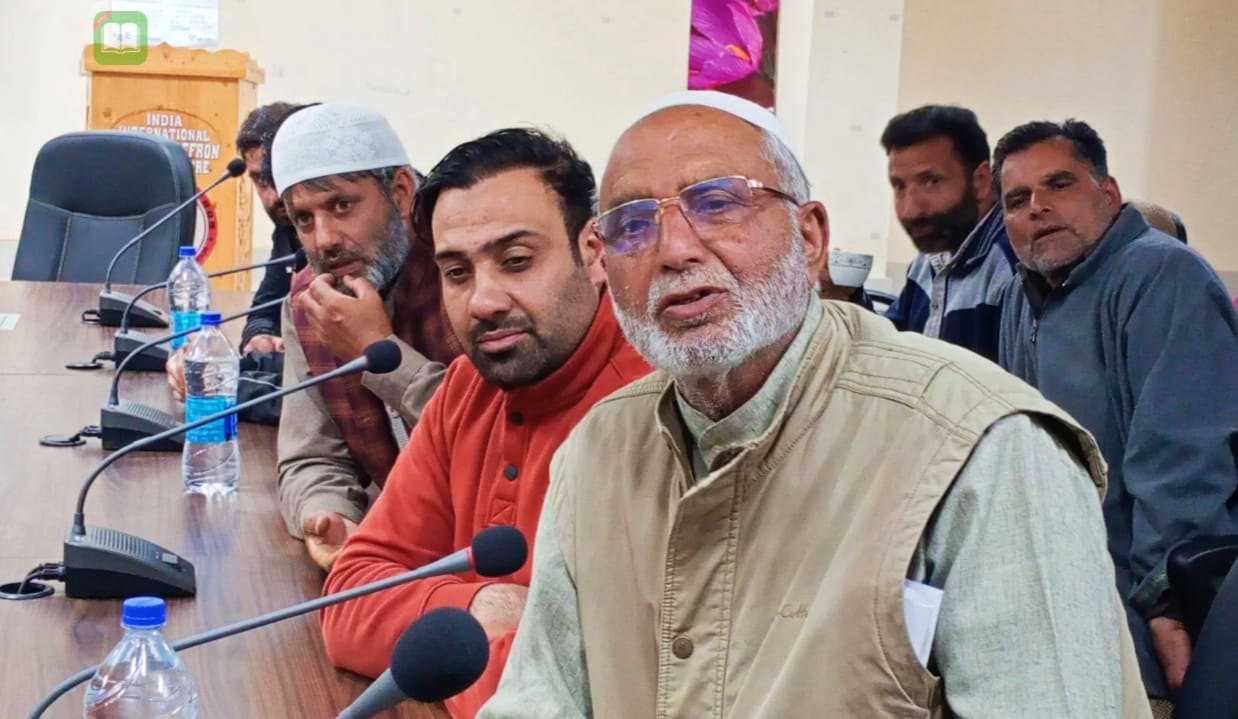
Our saffron is grown in our own fields in Pampore, inside the Kashmir saffron region registered as a Geographical Indication by the Government of India. A GI-tagged lot is listed as the third grade on this page and is currently out of stock; message us on WhatsApp to be told when it is back. Our chairman, Abdul Majeed Wani, was named by Prime Minister Narendra Modi for selling GI-tagged saffron through the Pampore Trading Centre's e-trading system.
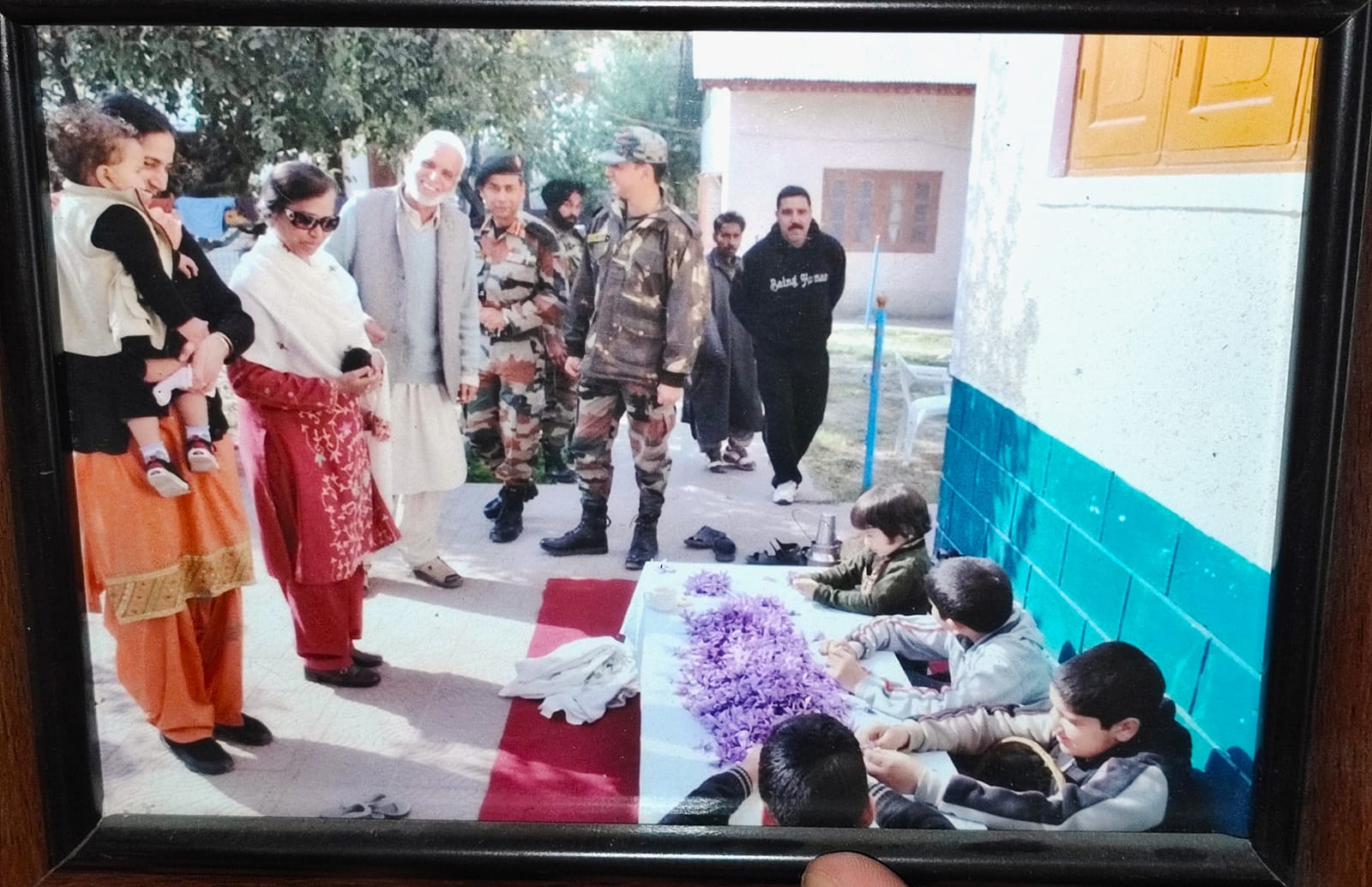
The Pampore Saffron Farmers Producer Company — a grower family in Pampore, FSSAI licence 11022470000019, checkable on the FSSAI portal. The family works with the Directorate of Agriculture, Kashmir and trades through the India International Kashmir Saffron Trade Centre (IIKSTC), the government saffron park at Dussu, Pampore, where saffron is processed, grade-certified, GI-tagged and sold by e-auction. Photographs of the family's recognition, including a saffron-flower bouquet presented to Prime Minister Narendra Modi, are on our Recognition page.
Reviews from buyers on this website come first, then reviews of the shop on Google.
Very geniune
Short one is good for the food and long for personal use
Nice product
Very good
Good product
Very good customer support reply within minutes and frequently update
Recieved late but very good.
💝💝 I went kashmir and find this product very good
Nice
Liked it
They offer grade 1 saffron which is kashmiri GI tagged in origin and that's an amazing one
Thank you for your product. I compared your product with other brands ، I found your saffron far better then others
Thank you for your product. I compared your product with other brands ، I found your saffron far better then others
Your saffron made my day
Nice
Kesar humai buhat pasand aaya .....
I searched throughout the internet and I find this one as best
I bought this and it arrived fast and I was amazed with the quality
Top grade
Threads are of full length and fragrance is best
Amazing quality saffron
I would suggest this is the best saffron ever
Nice and best in india
They sell the best saffron. Sourced from pampore and graded at IIKTSC pampore
I recommend everyone to give it a try . Authentic.
Marvellous
This is the best saffron in the world 🌎
Wow...the quality is unbeatable
Many buyers sell expensive and fake saffron but they sell ISO grade 1 certified saffron which I think is the best in india
Bohat achi quality hai
Best saffron i found online
Nice quality
Genuinely recommend The heritage...
Very good quality saffron
The color , safranal is very good quality
From Andhra love it
They sell very good quality saffron and dryfruits
Quality was amazing
Genuinely liked the kashmiri saffron they have......
Saffron is very High quality
Quick delivery
I received very quickly and am satisfied
Nice quality kashmiri mongra saffron. I've never seen this kind of quality and graded kashmiri saffron
Very good quality 👍🏻
As I have been buying their saffron and I'm satisfied
Used it for milk and other things
Tasted amazing
Very good
Majeed sahab and mudasir done great job
At first I was hesitant with the buy but when it arrived the aroma was very good and texture
Great quality
The saffron is premium quality, I was always duped by customers but this one turned out 💝
The saffron was crimson red, wow the fragrance was crazy!!! Will always choose you guys 💝
First time I recieved a genuine product after searching throughout the internet
Very good quality 💯
Short one was very good for biryani
The quality is superb
Everyone should buy this
Quality is fantastic
Nice
Rated 5 out of 5 after buying.
 Ahmad basha SyedGoogle review · October 2026
Excellent quality saffron! The strands look fresh and premium, with a beautiful natural aroma and colour. The quality is genuinely impressive, and the packaging was neat and secure. Very happy with my purchase. Definitely worth buying! ❤️
 FaizanGoogle review · October 2026
An exceptional experience! The quality of their Kashmiri dry fruits and authentic saffron is unmatched. Everything is incredibly fresh, packed beautifully, and tastes amazing. If you are looking for premium, genuine Kashmiri produce, this is the perfect place. Highly recommended!
 Sheikh TawqeerGoogle review · October 2026
Really good quality dry fruits and saffron. Everything felt fresh and authentic, and the service was warm and friendly. Definitely worth visiting if you’re looking for genuine Kashmiri products!
 Naveed Mohammad pareyGoogle review · October 2026
“The saffron quality is genuinely impressive. Great aroma, vibrant colour, and a rich flavour. A wonderful product from Heritage Kashmir.”
 Masroor RiyazGoogle review · October 2026
Exceptional quality saffron with deep-red threads, an intense aroma, and rich, natural color in just a few strands
 Mozin GaniGoogle review · October 2026
Pure saffron quality with genuine prize.
 Moien ShabanGoogle review · October 2026
Really impressed with the quality of the saffron from The Heritage Kashmir. The saffron has a beautiful natural aroma, rich colour, and the quality feels genuinely premium. The packaging was also neat and secure. Overall, a very good experience and I’m definitely satisfied with my purchase. Highly recommended! ❤️
 MOHAMMAD ALEEMGoogle review · October 2026
Good-quality natural products with neat packaging. The saffron has a lovely aroma,Smooth delivery and a great overall experience. Would definitely recommend!
 Shaiq NabiGoogle review · October 2026
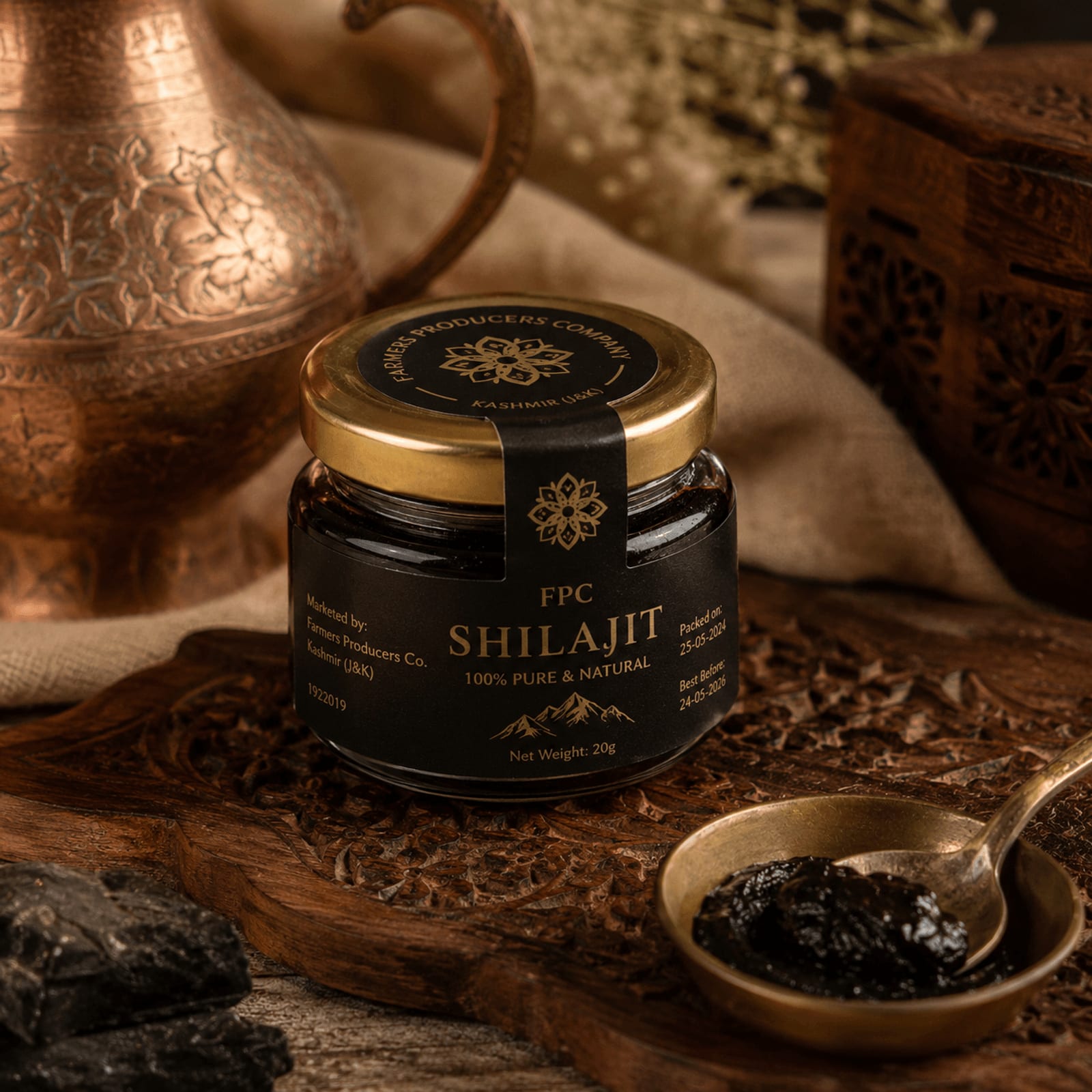
Good-quality natural products with neat packaging. The saffron has a lovely aroma, and the shilajit feels authentic and well-presented. Smooth delivery and a great overall experience. Would definitely recommend!
 PEACE FOUNDATIONGoogle review · October 2026
I purchased saffron from your website.... It was really nice ,authentic.. delivery was on time...... Quality, it was super awesome.......
 Rahul MauryaGoogle review · October 2026
Bought from here a few times now. Always got 10/10 quality saffron & dry fruits. Easily one of the best in Kashmir
 Naveen SonyGoogle review · October 2026
i bought saffron powder and it was extremely good. the quality was excellent and i was really happy with the product. delivery was also smooth and everything was well packed. really satisfied with my purchase and would definitely recommend them.
 Pranav MishraGoogle review · October 2026
Really good stuff icl, greatest saffron and dryfruits seller in the multiverse
 Imad WaniGoogle review · October 2026
They sell iso grade 1 Saffron and that is unheard from other sellers. Wishing you lots of success with this amazing journey.
 AFTAB WANIGoogle review · October 2026
Proud to see kashmir heritage promoting The saffron, looks authentic, has a beautiful aroma, and gives a lovely natural colour and flavour. The packaging was also good. Highly recommended for anyone looking for quality Kashmiri saffron. 🌸❤️
 Danish HameedGoogle review · October 2026
Very goof quality
 Sheikh Tahfeez AhmadGoogle review · October 2026
Quality is superb
 THE KNOWN 1Google review · October 2026
Premium quality stuff 🤌🏻
 Bhat EhsanGoogle review · October 2026
Excellent
 Kaaabir KhanGoogle review · October 2026
Superb Quality! And best price you will ever get Worthy Experience ❤️
 AyaN AmeenGoogle review · October 2026
beyond expectation... quanlity is really superb
 Majid RatherGoogle review · October 2026
Supr quality
 zaid khanGoogle review · October 2026
one of the best experiences.
 Arsalan ShahGoogle review · October 2026
Fresh dry fruits, good quality, and reasonable prices. Highly recommended!
 Rakib ZahoorGoogle review · October 2026
It's a great place. Quality is superb
 magray shakirGoogle review · October 2026
quality to b trusted
 Sheikh SaadGoogle review · October 2026
Very good quality
 suhaib QurashiGoogle review · October 2026
Superb quality 👌
 Kifayat FarooqGoogle review · October 2026
Great quality and awesome hospitality
 rahilGoogle review · October 2026
Quality is amazing, loved it
 Zamin BashirGoogle review · October 2026
super quality
 Magandeep SinghGoogle review · October 2026
Quality is top notch and really fabulous! Authentic and amazing! Would recommend to everyone! 😍
 Bhat RakibGoogle review · October 2026
This product is just 🔥 Looks aesthetic, feels premium, and works perfectly. Instantly became my favourite. Quality 10/10.
 Kashif ShabirGoogle review · October 2026
Best quality ❤❤
 Yasir HamidGoogle review · October 2026
Outstanding
 moomin magrayGoogle review · October 2026
The overall experience was too good
 Hammaad SuhailGoogle review · October 2026
Very good quality and completely pure.The quality is consistently excellent. Definitely one of the best places for genuine, high-quality products. Highly recommended!
 Sheikh AhsanGoogle review · October 2026
Great quality
 Khass NafarGoogle review · October 2026
Good quality
 XeropXGoogle review · October 2026
Best experience
 Rujhan RatherGoogle review · October 2026
excellent quality
 Shahid NisarGoogle review · October 2026
Good quality stuff
 wani musavirGoogle review · October 2026
Trustworthy service and quality products.
 Sadaa SadaariyazGoogle review · October 2026
Wishing Kashmir Heritage huge success and hoping it reaches people all across the country. Keep going and keep making Kashmir proud! 🤝✨
 Suhaib MirGoogle review · October 2026
Mudasir is a great businessman, I have known him for long and he cares about his customers
 faizan bashirGoogle review · October 2026
Very nice and 100% authentic products💕
 Faisal QayoomGoogle review · October 2026
Excellent quality and freshness! The dry fruits were fresh, tasty, and well-packed. Great quality at a reasonable price. Highly recommended! ⭐⭐⭐⭐⭐
 Maaid Farooq WaniGoogle review · October 2026
Exceptional. Quality is fantastic. I compared your product with top bands out in market and I found your product best. Quality is superb
 Daily Quran_360Google review · October 2026
Original story.
 Kashish KhanGoogle review · October 2026
Thank you
 Ayushi TiwariGoogle review · October 2026
Thank you
 Bhatt YawerGoogle review · October 2026
🔥💝
 lone hashimGoogle review · October 2026
Thank you
 Fahadsajad BhatGoogle review · October 2026
Rated five stars on Google.
 Tawqeer NazirGoogle review · October 2026
Rated five stars on Google.
 Mohsin BhatGoogle review · October 2026
Rated five stars on Google.
 Saqib AltafGoogle review · October 2026
Rated five stars on Google.
 TerminatorGoogle review · October 2026
Rated five stars on Google.
 Shamiq ShafiGoogle review · October 2026
Rated five stars on Google.
 Suhail ShafiGoogle review · October 2026
Rated five stars on Google.
 Jitendra Kumar PradhanGoogle review · October 2026
Rated five stars on Google.
 TawseefGoogle review · October 2026
Rated five stars on Google.
 anit beniwalGoogle review · October 2026
Rated five stars on Google.
Our shop is rated 5.0 out of 5 from 63 Google reviews