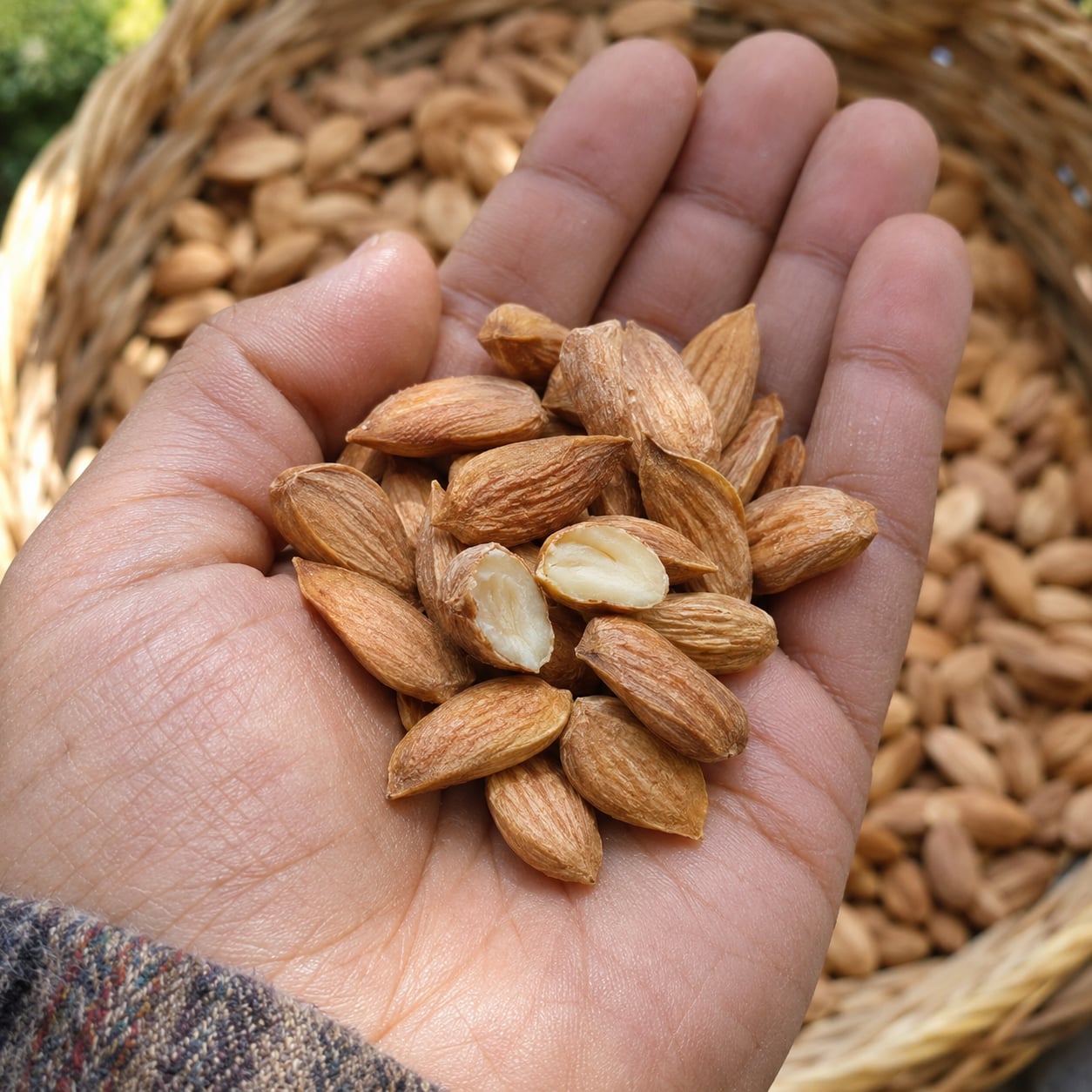
Genuine mamra from our own orchards and our FPO member families’ orchards in the Kashmir valley: blossom in March, green almonds by early summer, the harvest in mid-August to early September, then hand-sorting and the pouch. Tap to go on, hold to pause.
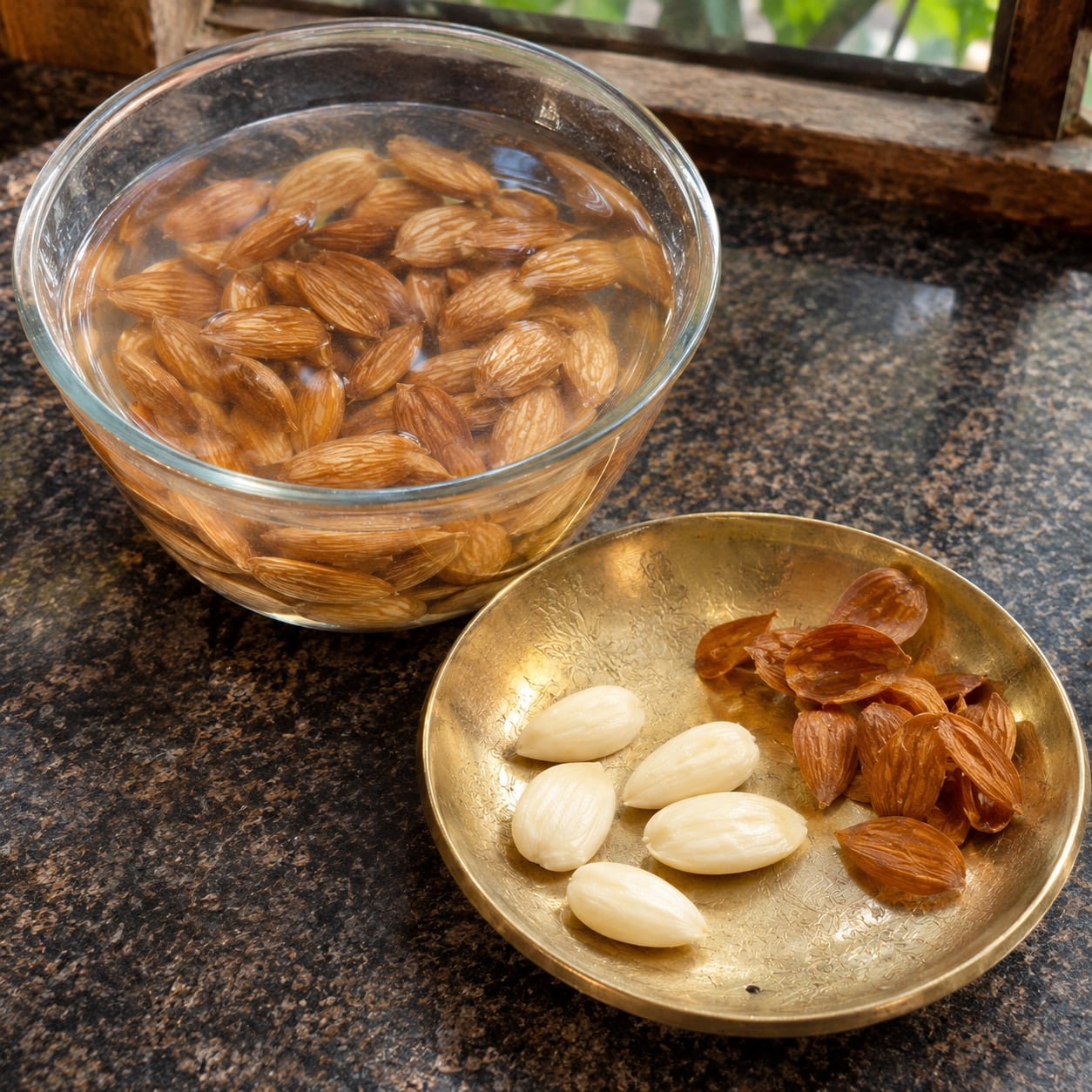
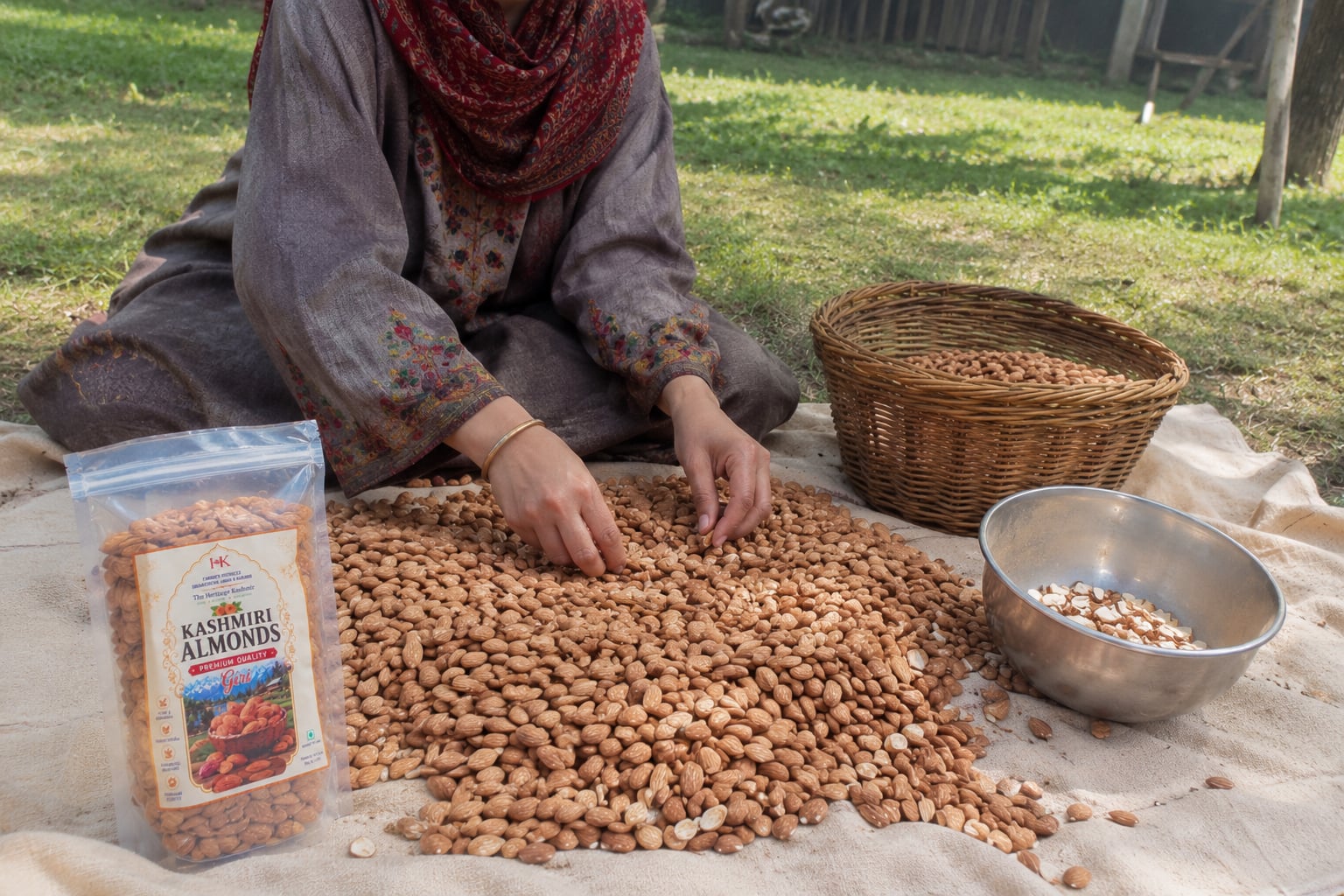
01 · MarchThe orchard in blossomThe almond is the first tree to flower in the valley, before the apple, with snow still on the peaks.Our orchards, Kashmir valley02 · Early springBloom under the snow lineRows of blossom on the ploughed karewa; a late frost here can take a share of the year's crop.Pulwama district, about 1,600 m up03 · May–JuneGreen almonds on the branchThe fuzzy green fruit swells through early summer; the kernel hardens inside its hull.The hull, the shell and the kernel are all still soft04 · August–SeptemberThe harvest basketWhen the hulls split, from mid-August, the nuts are knocked down and gathered under the trees.Hulled by hand, dried in the sun05 · After the harvestSorted by handThe kernels are graded by size on the cloth, pack by pack, before vacuum-sealing.Hand-graded for uniform size06 · In the pouchGenuine mamra kernelsSmall, wrinkled and dense; split one and it is white and crisp inside.About 350–400 kernels in a 500 g pouch07 · Your kitchenSoaked overnight, peeled by morningA few in water overnight; the skins slip off in the morning. The classic Kashmiri way.4–6 a day inside a mixed handful, or about 20–25 on their own01 / 07
What is in the pouch
Know your badam
Four almonds are sold as badam in India, and three of them are regularly sold as mamra. Pick one to see its shape, skin, bite, taste and price band.
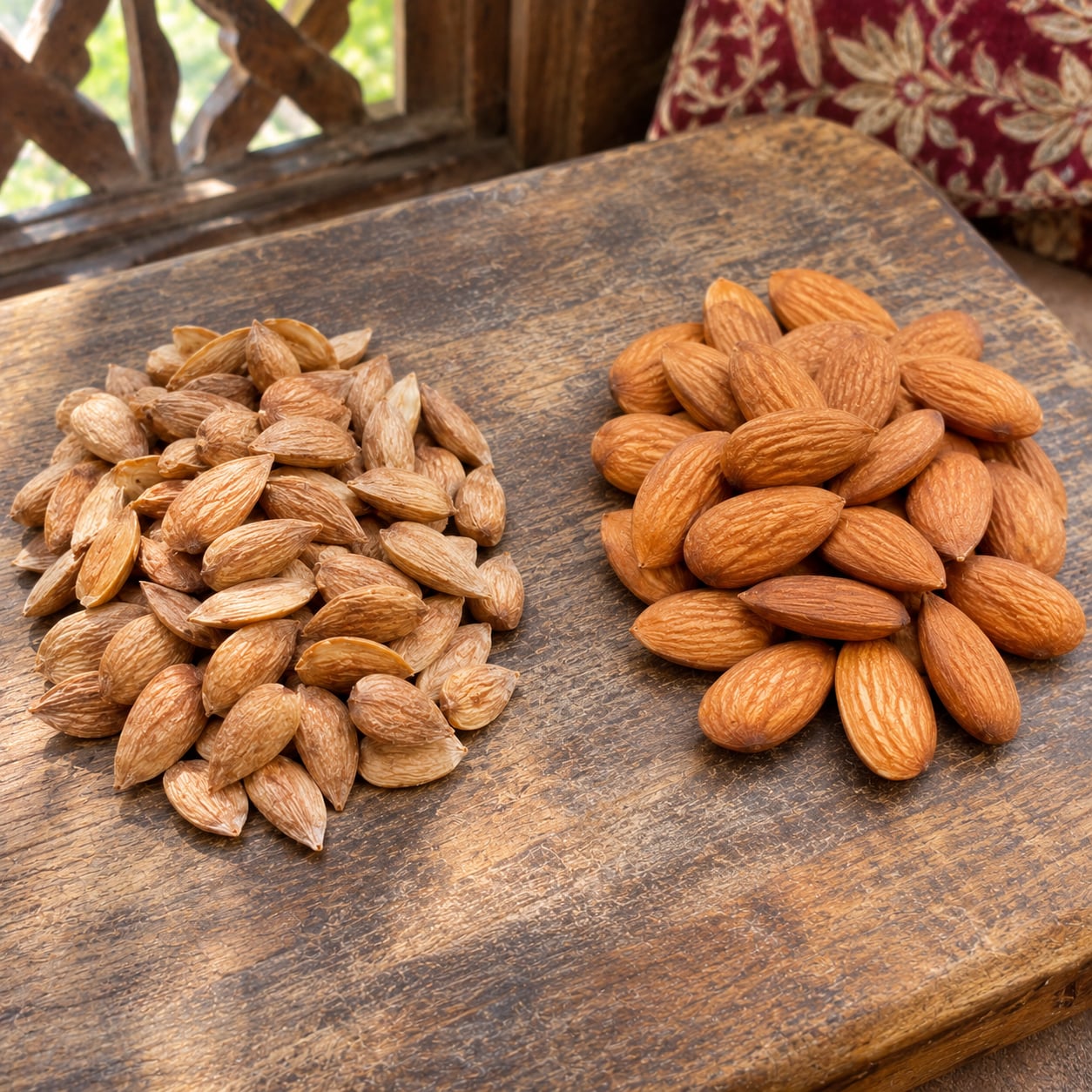
Mamra kernels on the left, smooth almonds on the right
Types of almonds in India · mamra, gurbandi, kagzi, California
Mamra vs gurbandi vs kagzi vs California: which almond is in the pouch?
Mamra is a scarce almond from slow seedling trees, not a grade of ordinary almonds. Pick a type:
Mamra badamWe sell this
Where it grows
Kashmir, Iran and Afghanistan, on slow-growing seedling trees at altitude. Ours: our own and our FPO families' orchards in the valley.
Shape
Small, narrow and slightly curved; no two kernels alike.
Skin
Deeply wrinkled and striated, light brown.
Bite
Dense and crisp; white and firm when split. A faint oil mark on paper, like every fresh almond.
Taste
Naturally sweet and creamy, never bland or bitter.
Price band (2026)
₹1,200–2,200 a kilo retail for the genuine kernel. Ours is ₹1,500.
Most "mamra" sold under ₹1,000 a kilo is an ordinary almond wearing the name.
Gurbandi badam
Where it grows
Sold as an Afghan almond; some Indian sellers list "Kashmiri Gurbandi", so the name alone tells you little.
Shape
Small kernels; no published grading standard we could find.
Skin
Darker and drier-looking than mamra, with a pointed tip.
Bite
Firm; varies lot to lot.
Taste
Stronger, sometimes with a bitter edge. Taste a sample before buying in bulk.
Price band (2026)
Most whole-kernel listings ₹900–1,250 a kilo wholesale (IndiaMART, October 2026).
Kagzi badam
What the word means
Kagzi is a shell word: kagaz is paper. A thin, papery shell that cracks in the fingers, grown in Kashmir among other places.
Shape
The kernel inside is usually larger and smoother than mamra's.
Skin
Lighter, with fewer wrinkles.
Bite
Softer than mamra.
Taste
Mild and sweet.
Price band (2026)
Below mamra; sold in the shell as well as shelled, so compare kernel with kernel.
A kagzi almond is a shell type, not a cultivar; it can be good, and it is not mamra.
California almonds
Where it grows
Grafted, irrigated orchards in California (nearly 1.4 million bearing acres); 85% of India's almond imports arrive from the US, nearly all in the shell.
Shape
Large, flat, smooth and uniform.
Skin
Smooth, even brown; the kernels look identical because they are graded by machine.
Bite
A softer crunch.
Taste
Mild.
Price band (2026)
About ₹700–900 a kilo retail.
Nothing wrong with it; it just isn't mamra. Uniform size gives it away.
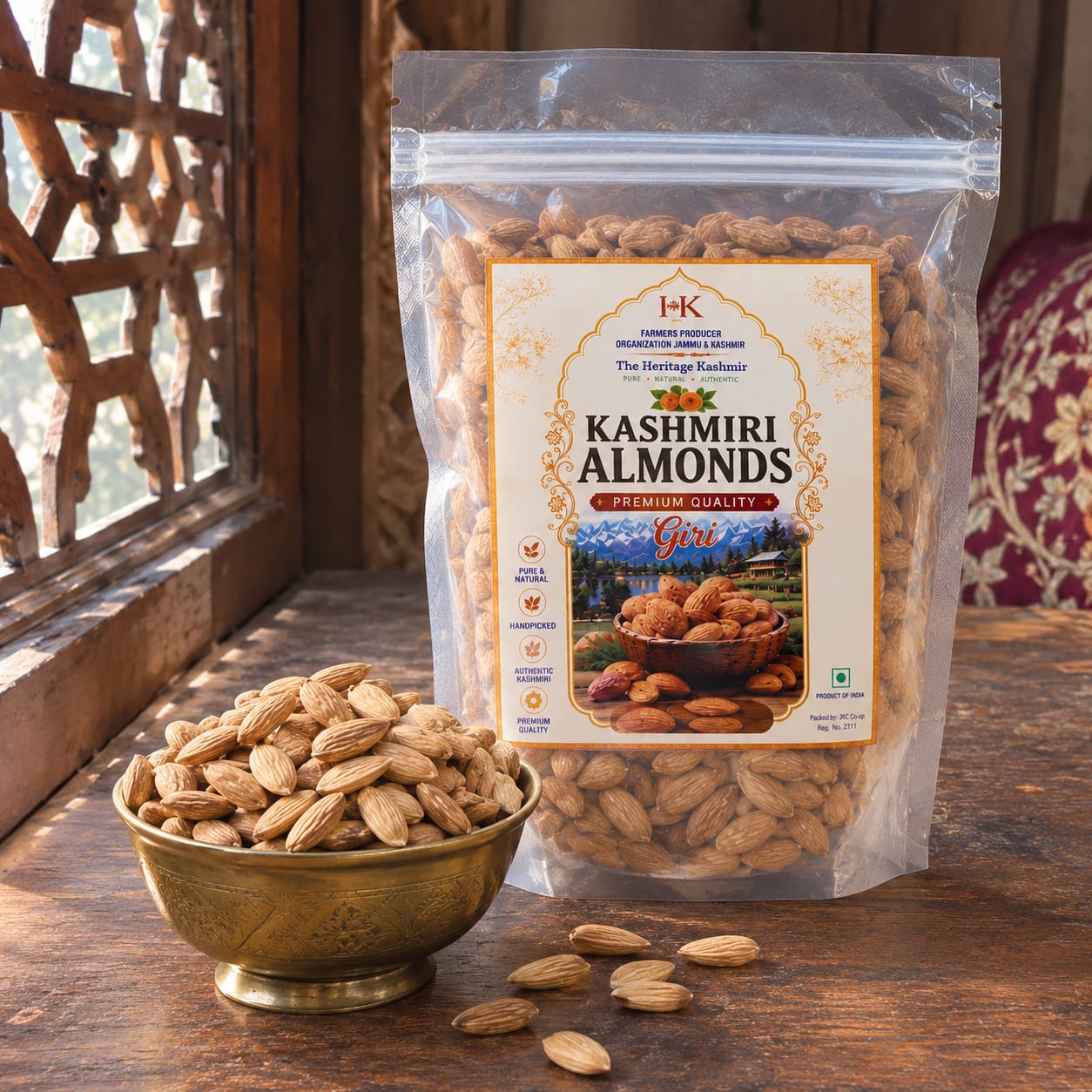
A clear pouch labelled Kashmiri Almonds Giri standing on a window sill beside a brass bowl of kernels, a carved lattice behind
Calories
0kcal
Protein
0.0g
Fat
0.0g
Fibre
0.0g
Vitamin E
0.0mg
Magnesium
0mg
A handful is 23 kernels, about 28.35 g. Typical values for almonds, not a test of our lot. Tap a serving to change the six values on the pouch.
What 100 g of almonds is, by USDA’s typical values
Calories
579 kcal
Protein
21.15 g
Fat
49.93 g
Fibre
12.5 g
Vitamin E
25.63 mg
Magnesium
270 mg
More details
USDA’s handful is 23 kernels, about 28.35 g; each almond is about 1.2 g. Typical values for almonds, not a test of our lot. Soaking changes neither the calories nor the protein. The same six values for each serving:
Typical almonds, per handful and per 100 g
Per serving
A handful
100 g
Calories
164 kcal
579 kcal
Protein
6 g
21.15 g
Fat
14.16 g
49.93 g
Fibre
3.54 g
12.5 g
Vitamin E
7.27 mg
25.63 mg
Magnesium
76.5 mg
270 mg
Calories. Energy. A handful is a small meal's worth of fuel, not a snack-sized nothing.
Protein. Plant protein. ICMR-NIN's Indian table puts almonds at about 18 g per 100 g.
Fat. Almost all of it unsaturated. Every almond is about half oil by weight — mamra included.
Fibre. Fibre, most of it in the brown skin, which is why the skin is worth eating.
Vitamin E. Vitamin E. Almonds are among the richest everyday foods for it.
Magnesium. Magnesium, with calcium alongside: the two minerals almonds carry most of.
Five checks with the pouch open; hover one to see it. Together they separate genuine mamra from an ordinary almond wearing the name.
How the fake-mamra trade works, and the price bands by type, are in our mamra vs California almonds comparison. If a pouch of ours arrives damaged or not as described, send a photo on WhatsApp and we refund or replace it.
500 g · ₹750 · check it yourself when it arrives
Don't take our word for it
Check your mamra at home
Five checks with the pouch open. Together they separate genuine mamra from an ordinary almond wearing the name; none of them needs a lab.
Check 1 of 5
1
Shape and curve
Genuine mamra is small, narrow and slightly curved, and no two kernels match. Large, flat, identical kernels are machine-graded Californian stock.
Check 2 of 5
2
Wrinkles
Deep wrinkles and striations along the skin, light brown. A smooth, even skin is the other almond.
Check 3 of 5
3
The paper test, and what it proves
Press a kernel on paper. Every fresh almond leaves a faint oil mark, because about half of any almond is oil — Kashmir's own varieties measure 42–52% — so the mark says fresh, not mamra. No mark at all says stale.
Check 4 of 5
4
The bite
Split one: white, firm and crisp inside, with a dense bite and a naturally sweet, creamy taste. Rubbery or bitter kernels have aged or been stored warm.
Check 5 of 5
5
Skin colour and smell
Light brown skin and a clean, faintly sweet smell. Dark patches, mould, webbing or a paint-like smell mean the lot is off.
How the fake-mamra trade works, and the price bands by type, are in our mamra vs California almonds comparison. If a pouch of ours arrives damaged or not as described, send a photo on WhatsApp and we refund or replace it.
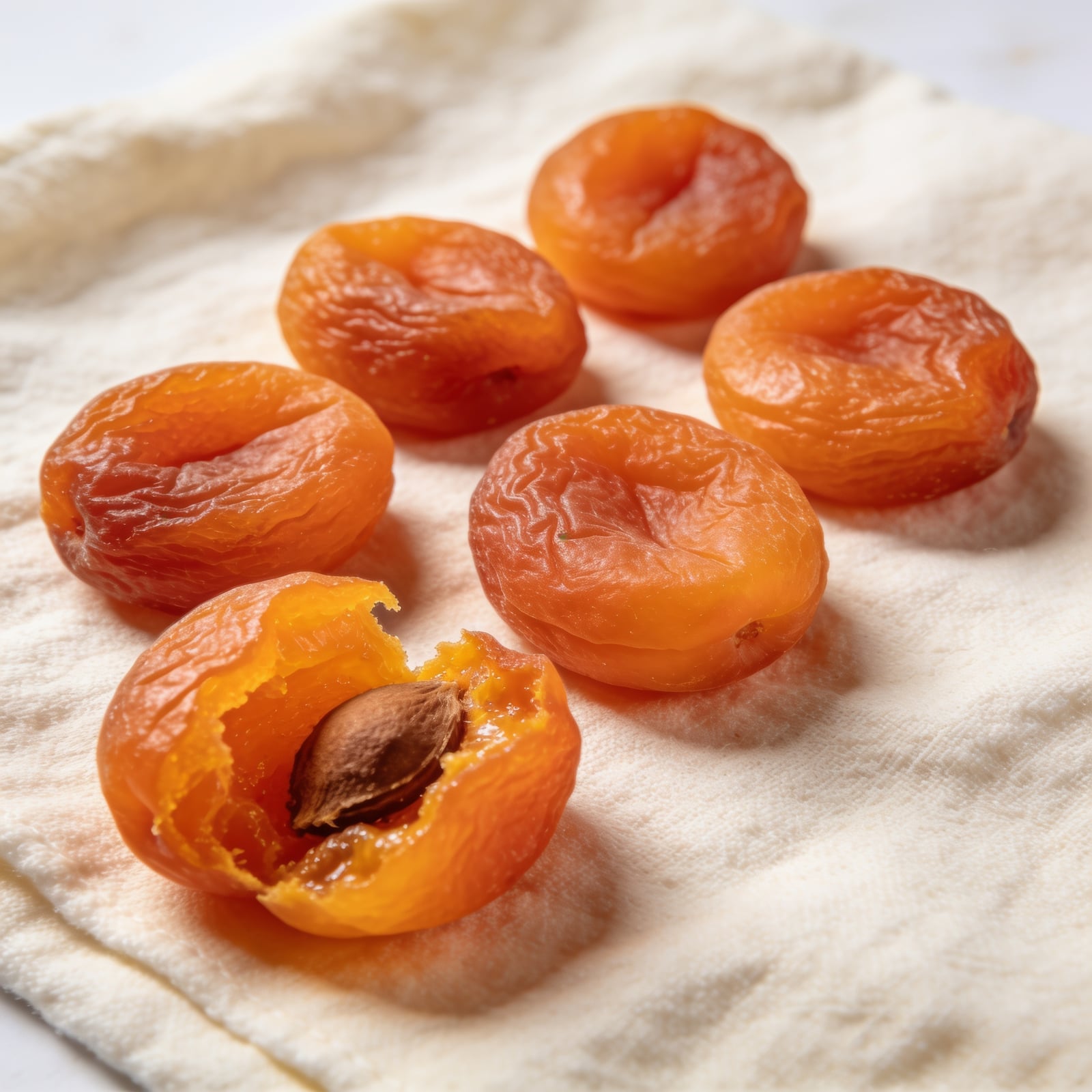
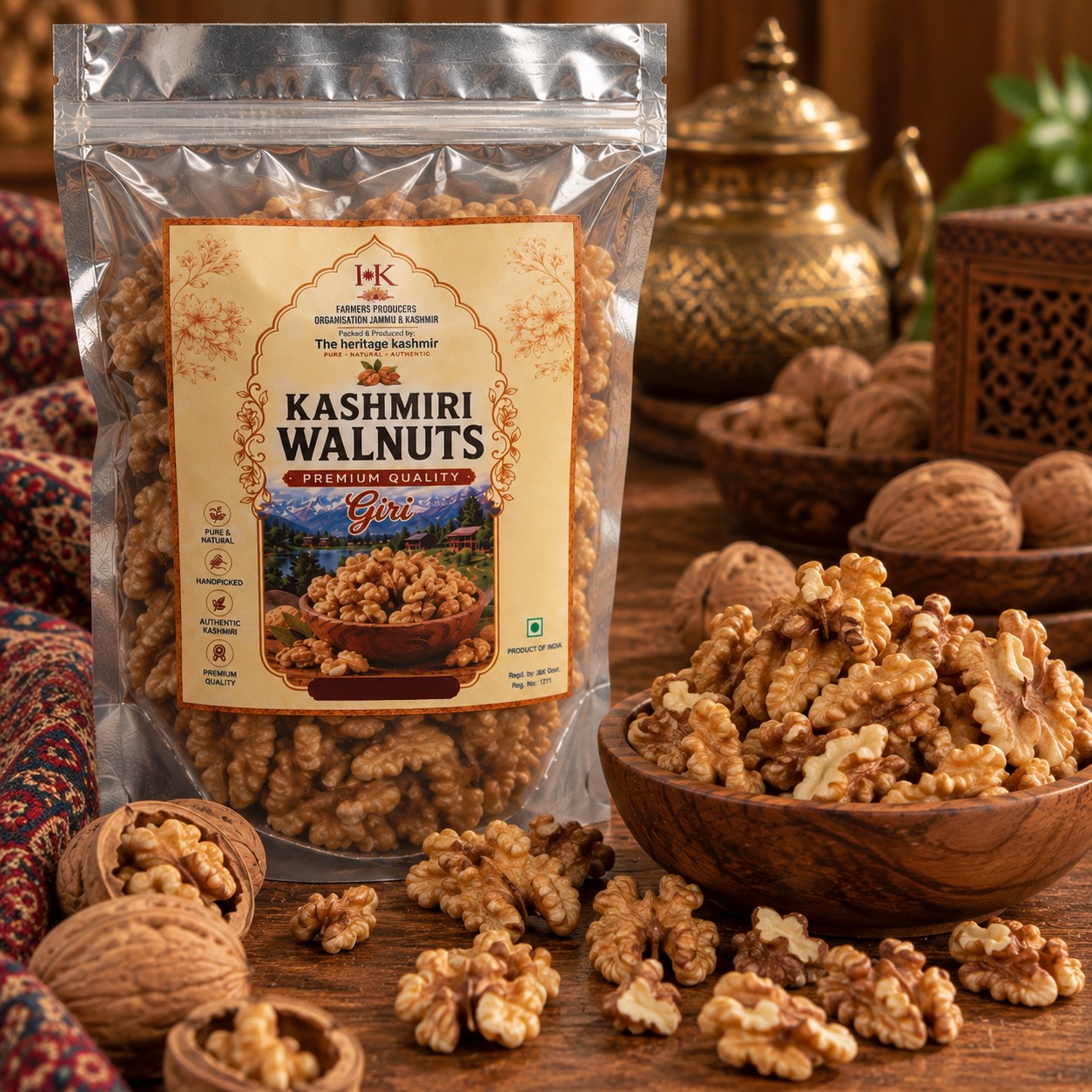
Each card opens the recipe or the guide. For a dry-fruit platter, pair them with our walnut kernels and dried apricots.
How long will a pack last?
· Pick the right pack
Tell us who eats them and how many a day. An almond weighs about 1.2 g; a handful is 23, and 4–6 is the almond share of a mixed dry-fruit handful.
People eating them1
Almonds each, a day10
That is 12 g a day for your home, about 360 g a month.
250 g
20days
₹375
Month+
500 g
41days
₹750
1 kg
83days
₹1,500
Buying for a wedding, Diwali or the office? Ask us for a bulk quote. Free delivery on orders of ₹3,000 and above.
Delivery, payment and returns
DispatchWithin 24–48 h, from Pampore
DeliveryFree on ₹3,000+ orders
PaymentUPI, cards or cash on delivery
Returns2-day refund, nothing to post back
Full delivery and returns terms
Dispatch
Packed and dispatched from Pampore within 24–48 hours of a confirmed order, tamper-sealed.
Delivery
Free delivery on orders of ₹3,000 or more. Below ₹3,000, prepaid delivery is ₹60, with priority dispatch by DTDC Airmax, 4–8 days by state. A tracking number is emailed after dispatch. The store minimum is ₹599 per order.
Payment
Pay online through Razorpay (UPI, card, netbanking or wallet), or choose cash on delivery for a ₹99 delivery fee (free on orders of ₹3,000 or more) where DTDC offers it for your PIN code. COD goes by DTDC Express (7–8 days) and is packed once you confirm the order on WhatsApp.
Returns
Arrives damaged, leaking, wrong or not as described? Send a photo on WhatsApp within 48 hours of delivery and we refund or replace in full — your choice, nothing to post back. Opened food cannot otherwise be returned. Full policy.
About this product
Genuine mamra almonds, grown in our own orchards in the valley — giri badam, the shelled kernel, dense and naturally sweet. Mamra is a specific, scarce almond type: smaller and more wrinkled than the smooth almonds sold loose in most markets, and often relabelled onto ordinary stock because the name sells. Ours is not that — these come off our own trees and the orchards of our FPO's member families in the valley, not bought in bulk from a mandi and relabelled.
Because we sell direct from our own orchards with no trader or gifting-brand markup between the tree and your jar, genuine mamra reaches you at ₹1,500 a kilogram — inside the honest retail band for cleaned mamra badam, not the inflated one. Our almonds are hand-graded for uniform size, then vacuum-sealed at source so they reach you crisp and fresh.
Kashmiri almonds grow slower at altitude, developing a richness you will taste from the first soak. Each 500g pack contains roughly 350-400 whole kernels — enough for a month of daily soaking, festive mithai, or garnishing biryani and kheer.
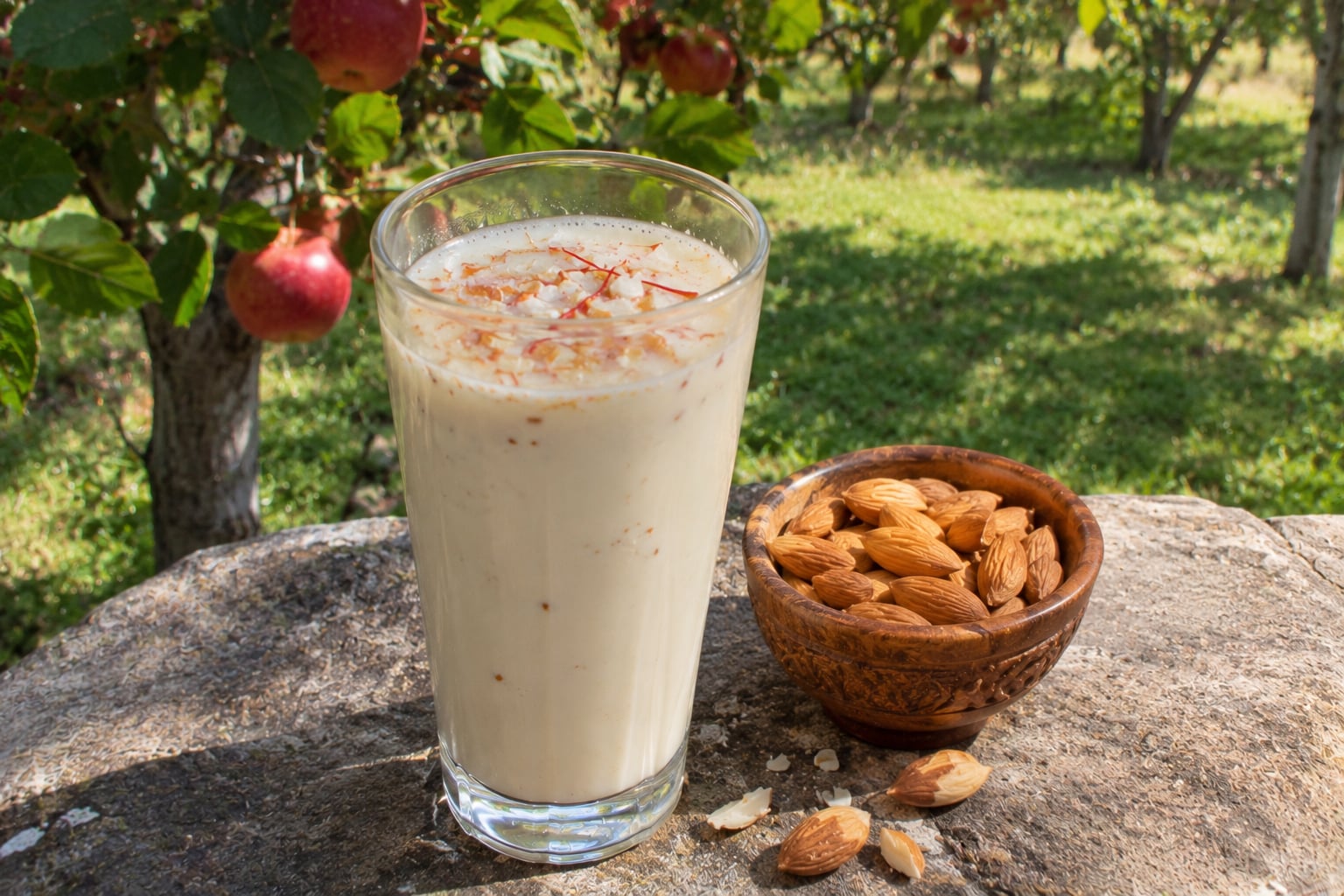
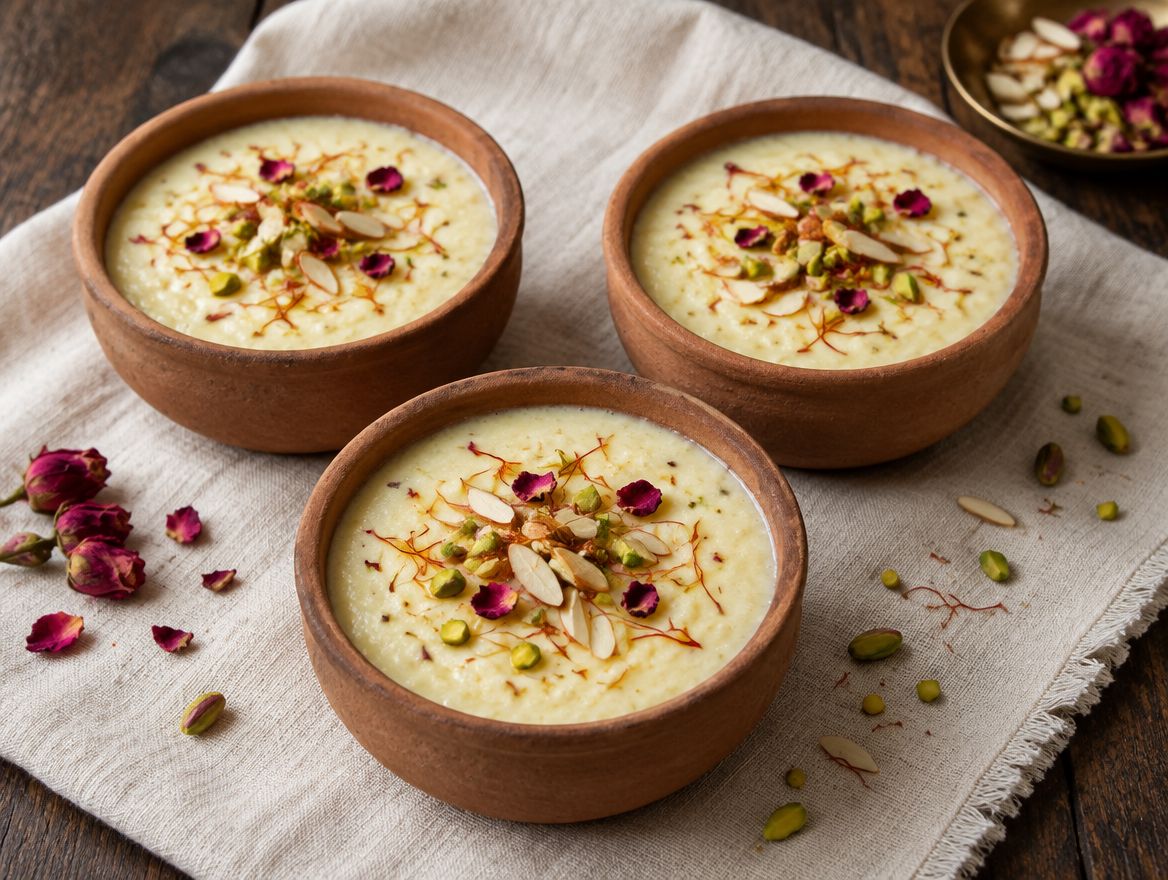
How to use: soak 4–6 almonds overnight, peel in the morning for the classic Kashmiri ritual. Slice over saffron kheer, blend into badam milk with threads of our Mongra saffron, or dry-roast with a pinch of salt for a crunchy snack. Store airtight in a cool, dry place.
The mamra guide
Genuine Kashmiri mamra almonds (giri badam): the complete guide
Mamra badam is a small, wrinkled, naturally sweet almond from slow-growing seedling trees at altitude. Ours is genuine mamra from our own orchards and our FPO member families’ orchards in the Kashmir valley, hand-graded and vacuum-sealed, at ₹1,500 a kilo at every pack size. Below: what the names mean, where and when it grows, how mamra differs from gurbandi, kagzi and California almonds, how many to eat, soaking, buying by pack, storage and the nutrition table.
Badam is the almond in Hindi and Urdu (badam (बादाम)); giri is the kernel, so giri badam is the shelled almond you eat, and what this pouch holds. “Badam dry fruit” on a price list means the same thing. Mamra is not a grade of ordinary almonds: it is a particular almond from slow-growing seedling trees in Kashmir, Iran and Afghanistan, scarce enough that the word is often borrowed for stock that is not mamra at all. The tree is Prunus dulcis; in Kashmiri the nut is badam too.
Where our almonds grow
In our own orchards and the orchards of our FPO’s member families in the Kashmir valley, on the karewa land around Pampore in Pulwama district, about 1,600 metres above sea level. Jammu and Kashmir grows more than nine-tenths of India’s almonds, nearly all of it in the valley, and Pulwama is its main almond district: SKUAST-Kashmir’s own study notes that Pampore’s karewas “produce top quality almonds”. The trees grow slowly at this height and yield a fraction of an irrigated Californian orchard, which is why the kernels are small and dense, and why genuine mamra is never cheap. We grow, sort and seal them ourselves; nothing is bought from a mandi and relabelled. FSSAI licence 11022470000019.
The season: blossom to pouch
The almond is the first tree to flower in Kashmir, in March as a rule (the last week of March into early April, with the weather), with snow still on the peaks. The green, fuzzy almonds swell through May–June; the hulls split four to five months after full bloom and the nuts are knocked down and gathered from mid-August to early September. They are hulled, dried in the sun, shelled, and the kernels sorted by hand for size before vacuum-sealing, so a pouch holds this season’s crop.
Mamra vs gurbandi vs kagzi vs California almonds
Mamra: small, narrow, slightly curved and deeply wrinkled, dense and crisp, naturally sweet; ₹1,200–2,200 a kilo retail for the genuine kernel. Gurbandi: a small Afghan almond with a stronger, sometimes bitter taste; most whole-kernel listings ₹900–1,250 a kilo wholesale. Kagzi names a thin paper shell rather than a cultivar; the kernel inside is usually larger, smoother and milder than mamra. California almonds: large, flat, smooth and uniform, with a softer crunch and a mild taste, about ₹700–900 a kilo. Oil is not what sets them apart: every almond is roughly half oil, and Kashmir’s own varieties measured 42–52% in ICAR-CITH’s trials, with California’s Nonpareil grown beside them at 48%. The picker above sets them side by side; the full comparison carries the sources.
How many almonds a day, and whether to soak them
A handful. The British Heart Foundation counts a small handful, 30 g, as a portion of nuts, and ICMR-NIN’s 2024 guidelines put nuts and seeds at about 35 g a day; USDA’s handful is 23 kernels, about 28.35 g. Inside a mixed dry-fruit handful that is 4–6 almonds; on their own, about 20–25. Soaking changes neither the calories nor the protein: what it changes is the texture and the skin, which slips off in the morning, and many people find soaked almonds easier to chew and digest. The classic Kashmiri ritual is 4–6 soaked overnight and peeled at breakfast. What the trials have and have not found is in badam benefits; the daily chart for every dry fruit, in how many dry fruits per day. If you are managing weight or blood sugar, ask your doctor about amounts.
Buying online: 250 g, 500 g or 1 kg
All three packs are the same hand-graded mamra at ₹1,500 a kilo, so a bigger pack buys convenience, not a discount:
250 g (₹375): to try them, or one person's handful for about ten days.
500 g (₹750): about 350–400 kernels; a household pack for soaking and the dry-fruit bowl.
1 kg (₹1,500): for the festive mithai, badam milk through a winter, or splitting between two homes.
Free delivery on orders of ₹3,000 and above; below that, prepaid delivery is a flat fee and cash on delivery carries its own. The pack planner above works out how long each lasts for your home.
How to store almonds
Airtight, cool and dark. Kept that way, almonds stay crisp for months; in a hot, humid summer move the pouch to the fridge, where they keep for a year. Keep them away from onions and strong spices, which they absorb. Throw out any kernel that smells like paint or tastes bitter and sharp at the back of the throat: that is the oil gone stale. Our pouches are vacuum-sealed at source, so open one at a time.
Almond nutrition per 100 g and per handful (USDA typical values)
USDA FoodData Central record 170567, nuts, almonds: typical values for almonds, not a laboratory test of our lot. ICMR-NIN’s Indian Food Composition Tables give about 18 g of protein per 100 g, so read the protein as roughly 18–21 g. A handful is 23 kernels; an almond is about 1.2 g.
Almond nutrition per 100 g and per 28 g handful, USDA typical values
Nutrient
Per 100 g
Per handful (23 kernels, 28.35 g)
Calories
579 kcal
164 kcal
Protein
21.15 g
6 g
Fat
49.93 g
14.16 g
Fibre
12.5 g
3.54 g
Vitamin E
25.63 mg
7.27 mg
Magnesium
270 mg
76.5 mg
Calcium
269 mg
76.3 mg
Compare on facts
Why buy direct from the grower
We grow it ourselves in Kashmir — so you can compare on facts, not marketing.
What to check when buying Mamra Almonds (Giri Badam): The Heritage Kashmir against typical online sellers
What to check
Grown by usThe Heritage Kashmir
ElsewhereTypical online sellers
Where it comes from
Grown in our own orchards and our FPO member families' orchards in the valley — not bought in and relabelled
Outsourced from mandis, importers or re-packers. Most brands, however big, do not own a farm.
Proof of what you get
FSSAI-licensed, with origin details on every order
No verifiable proof — just a label
Freshness
Packed fresh from our own orchards, vacuum-sealed
Unknown stock age, often months old
Purity
Single-origin — never blended
Often blended, diluted, or of mixed origin
Price
Best rate when you book direct on WhatsApp
Marked up by middlemen & marketplace fees
Booking a larger order? Message us on WhatsApp for the best direct-from-farm rate.
Giri badam means the almond kernel: the part you eat, without its shell. This listing sells Kashmiri almond kernels. Compare the edible weight and pack price, rather than a photograph of large nuts or a price for in-shell almonds.
Compare before you choose
Choose between packs by how much you will open and use. A larger pack is not automatically cheaper per kilogram; use the current pack prices below to compare.
Check the pack
Read the pack label for origin, packing date, storage instructions and seller details. The word Mamra in a URL is not a laboratory or cultivar certificate.
The doubts in your head? We’ve answered them here.
What is giri badam?
Giri badam is the shelled almond kernel — badam is the almond, giri is the kernel inside the shell. It is what this pack contains, and it is the form almonds are normally eaten and cooked with in India. The word says nothing about origin or grade on its own, so it is worth asking any seller the next two questions: where the almonds were grown, and whether they are graded for size. Ours are genuine mamra — grown in our own Kashmir orchards and hand-graded, not ordinary almonds sold under the mamra name.
Is this genuine mamra badam?
Yes. Mamra is a specific, scarce almond — smaller, more wrinkled and denser than an ordinary almond — and much of what is sold as "mamra" online is ordinary Kashmiri, Iranian or Californian stock relabelled for the search term. Ours is the real thing, grown in our own orchards and our FPO member families' orchards in the valley, and priced at ₹1,500/kg because we sell direct with no trader markup — not because it is a lesser product.
What is the mamra badam rate for 1 kg, 500 g and 250 g?
₹1,500 per kg, and the same rate across every pack size: 1 kg for ₹1,500, 500 g for ₹750 and 250 g for ₹375. That sits inside the ₹1,200–2,200/kg retail band for genuine mamra badam.
What are Kashmiri giri almonds and how are they different?
Kashmiri giri almonds come from slow-growing trees in the valley, around 1,600 m up, which gives smaller, denser, sweeter kernels than the large plains-grown almonds sold loose in most markets. They are smaller but denser — you will taste the difference in their natural sweetness and creamy texture. We hand-grade for uniform size and vacuum-seal to preserve freshness.
How should I prepare and eat these almonds?
Soak 4-6 almonds in water overnight, then peel the skin in the morning — this is the classic Kashmiri ritual. Soaking activates enzymes and makes the almonds easier to digest. You can also dry-roast them with a pinch of salt for a crunchy snack, slice over kheer or halwa, or blend into badam milk with saffron. A 500g pack contains roughly 350-400 kernels.
What is the difference between mamra, gurbandi, kagzi and California almonds?
Origin and kernel. Mamra grows on slow seedling trees in Kashmir, Iran and Afghanistan: small, wrinkled, curved, dense and sweet, ₹1,200–2,200 a kilo retail. Gurbandi is a small Afghan almond with a stronger, sometimes bitter taste. Kagzi names a thin paper shell, usually with a larger, smoother kernel. California almonds are large, smooth, uniform and mild, about ₹700–900 a kilo.
How can I tell real mamra badam at home?
Look at the kernel. Genuine mamra is small, narrow and slightly curved, with a deeply wrinkled light-brown skin, and no two kernels match; split one and it is white, firm and crisp, with a naturally sweet taste. Large, flat, identical kernels are machine-graded Californian stock, whatever the label says. Price is the other check: genuine mamra sits in the ₹1,200–2,200 band.
What is special about mamra almonds?
Scarcity and the kernel. Mamra comes from slow-growing seedling trees at altitude that yield a fraction of an irrigated Californian orchard, and the kernel is small, wrinkled, dense and naturally sweet, with a crisp bite most almonds do not have. It is also the almond most often faked, which is why the shape, the wrinkles and the price band matter.
Why is mamra badam costly?
Because it is a different almond, grown on a tiny scale. Small, rainfed hill orchards in Kashmir and Afghanistan produce a fraction of what irrigated Californian farms do, hand-grading by size adds cost, and every trader between the orchard and you adds a margin. Genuine mamra retails at roughly ₹1,200–2,200 a kilo; ours is ₹1,500 because we sell direct.
How many almonds should I eat a day?
A handful. The British Heart Foundation counts a small handful, 30 g, as a portion of nuts, and ICMR-NIN's 2024 guidelines put nuts and seeds at about 35 g a day; USDA's handful is 23 kernels (28.35 g). Inside a mixed dry-fruit handful that is 4–6 almonds; on their own, about 20–25. Soak them overnight if you like them softer, and ask your doctor about amounts if you are managing weight or blood sugar.
Do soaked almonds have more benefits than raw almonds?
Not in calories or protein: soaking changes neither. What it changes is the texture and the skin — soaked almonds are softer, the brown skin slips off, and many people find them easier to chew and digest. The classic Kashmiri ritual is 4–6 soaked overnight and peeled in the morning. Our badam benefits guide weighs the research.
What is the nutrition of almonds per 100 g and per handful?
Per 100 g, USDA's typical values are 579 kcal, 21 g protein, 50 g fat, 12.5 g fibre, 26 mg vitamin E, 270 mg magnesium and 269 mg calcium; ICMR-NIN's Indian table gives about 18 g protein. A 28.35 g handful of 23 kernels is about 164 kcal and 6 g protein. These are typical values for almonds, not a test of our lot.
When are almonds harvested in Kashmir?
From mid-August to early September. The almond is the first tree to flower in the valley, in March as a rule; the green almonds swell through May–June, the hulls split four to five months after full bloom, and the nuts are knocked down and gathered. Ours are then dried, hand-sorted for size and vacuum-sealed, so the pouch holds this season's kernels.
Where exactly do your almonds come from?
From our own orchards and our FPO member families' orchards in the Kashmir valley, around 1,600 m up on the karewas near Pampore, Pulwama. They are genuine mamra, not bought in bulk from a mandi and relabelled: we grow them, grade them by hand and seal them at source. FSSAI licence 11022470000019.
How many almonds are in a 500 g or 1 kg pack?
Roughly 350–400 kernels in 500 g and 700–800 in a kilo. USDA's average almond weighs 1.2 g, which gives about 415 to the half kilo; mamra kernels are small and vary, so the count moves with the lot. At a handful of 23 kernels a day, a 500 g pouch lasts one person about two weeks and a kilo about a month.
How should I store almonds?
Airtight, cool and dark. Kept that way, almonds stay crisp for months; in a hot, humid summer move the pouch to the fridge, where they keep for a year. Keep them away from onions and strong spices, which they absorb, and throw out any kernel that smells like paint or tastes bitter and sharp: that is the oil gone stale.
Do you sell mamra almonds in bulk or for weddings?
Yes. Larger quantities are available at the direct-from-grower rate: send a bulk enquiry or message us on WhatsApp with the quantity and your PIN code, and we will quote. Festive and wedding orders are best placed three to four weeks ahead.
Can children, pregnant women and people with allergies eat these almonds?
Almonds are a food, so the usual food rules apply. Whole nuts are a choking risk for children under five, so grind or chop them (NHS). In pregnancy a handful is an ordinary food; ask your doctor about amounts. Anyone with a tree-nut allergy should avoid almonds altogether, and the pouch is packed where other nuts are handled.
Are Kashmiri almonds or mamra badam GI-tagged?
No. There is no Geographical Indication registered for Kashmiri almonds or for mamra, so no seller can honestly call them GI-tagged. GI No. 635 is Kashmir saffron's registration, which is why it appears on our GI Tag Saffron jar and not on any almond. Judge mamra by the kernel, the orchard the seller can name, and the price band.
Does giri badam mean almonds with the shell removed?
Yes. Giri badam refers to almond kernels. This product is sold by kernel weight, so compare it with other shelled almonds, not an in-shell price.
What pack sizes and prices are available for Mamra Almonds (Giri Badam)?
250 g: ₹375; 500 g: ₹750; 1 kg: ₹1,500. Prices include GST. Select a pack to check availability. The store minimum is ₹599 per order. Free delivery on orders of ₹3,000 or more. Below ₹3,000, prepaid delivery is ₹60, with priority dispatch by DTDC Airmax, 4–8 days by state.
An exceptional experience! The quality of their Kashmiri dry fruits and authentic saffron is unmatched. Everything is incredibly fresh, packed beautifully, and tastes amazing. If you are looking for premium, genuine Kashmiri produce, this is the perfect place. Highly recommended!
Arsalan ShahGoogle review · October 2026G
Fresh dry fruits, good quality, and reasonable prices. Highly recommended!
Sheikh TawqeerGoogle review · October 2026G
Really good quality dry fruits and saffron. Everything felt fresh and authentic, and the service was warm and friendly. Definitely worth visiting if you’re looking for genuine Kashmiri products!
Rahul MauryaGoogle review · October 2026G
Bought from here a few times now. Always got 10/10 quality saffron & dry fruits. Easily one of the best in Kashmir
Pranav MishraGoogle review · October 2026G
Really good stuff icl, greatest saffron and dryfruits seller in the multiverse
Faisal QayoomGoogle review · October 2026G
Excellent quality and freshness! The dry fruits were fresh, tasty, and well-packed. Great quality at a reasonable price. Highly recommended! ⭐⭐⭐⭐⭐
Ahmad basha SyedGoogle review · October 2026G
Excellent quality saffron! The strands look fresh and premium, with a beautiful natural aroma and colour. The quality is genuinely impressive, and the packaging was neat and secure. Very happy with my purchase. Definitely worth buying! ❤️
Danish HameedGoogle review · October 2026G
Very goof quality
Sheikh Tahfeez AhmadGoogle review · October 2026G
Quality is superb
THE KNOWN 1Google review · October 2026G
Premium quality stuff 🤌🏻
Bhat EhsanGoogle review · October 2026G
Excellent
Kaaabir KhanGoogle review · October 2026G
Superb Quality! And best price you will ever get
Worthy Experience ❤️
AyaN AmeenGoogle review · October 2026G
beyond expectation... quanlity is really superb
Majid RatherGoogle review · October 2026G
Supr quality
zaid khanGoogle review · October 2026G
one of the best experiences.
Rakib ZahoorGoogle review · October 2026G
It's a great place. Quality is superb
magray shakirGoogle review · October 2026G
quality to b trusted
Sheikh SaadGoogle review · October 2026G
Very good quality
suhaib QurashiGoogle review · October 2026G
Superb quality 👌
Kifayat FarooqGoogle review · October 2026G
Great quality and awesome hospitality
rahilGoogle review · October 2026G
Quality is amazing, loved it
Zamin BashirGoogle review · October 2026G
super quality
Magandeep SinghGoogle review · October 2026G
Quality is top notch and really fabulous! Authentic and amazing! Would recommend to everyone! 😍
Naveed Mohammad pareyGoogle review · October 2026G
“The saffron quality is genuinely impressive. Great aroma, vibrant colour, and a rich flavour. A wonderful product from Heritage Kashmir.”
Bhat RakibGoogle review · October 2026G
This product is just 🔥 Looks aesthetic, feels premium, and works perfectly. Instantly became my favourite. Quality 10/10.
Kashif ShabirGoogle review · October 2026G
Best quality ❤❤
Yasir HamidGoogle review · October 2026G
Outstanding
moomin magrayGoogle review · October 2026G
The overall experience was too good
Masroor RiyazGoogle review · October 2026G
Exceptional quality saffron with deep-red threads, an intense aroma, and rich, natural color in just a few strands
Hammaad SuhailGoogle review · October 2026G
Very good quality and completely pure.The quality is consistently excellent. Definitely one of the best places for genuine, high-quality products. Highly recommended!
Sheikh AhsanGoogle review · October 2026G
Great quality
Khass NafarGoogle review · October 2026G
Good quality
XeropXGoogle review · October 2026G
Best experience
Rujhan RatherGoogle review · October 2026G
excellent quality
Mozin GaniGoogle review · October 2026G
Pure saffron quality with genuine prize.
Moien ShabanGoogle review · October 2026G
Really impressed with the quality of the saffron from The Heritage Kashmir. The saffron has a beautiful natural aroma, rich colour, and the quality feels genuinely premium. The packaging was also neat and secure. Overall, a very good experience and I’m definitely satisfied with my purchase. Highly recommended! ❤️
MOHAMMAD ALEEMGoogle review · October 2026G
Good-quality natural products with neat packaging. The saffron has a lovely aroma,Smooth delivery and a great overall experience. Would definitely recommend!
Shahid NisarGoogle review · October 2026G
Good quality stuff
Shaiq NabiGoogle review · October 2026G
Good-quality natural products with neat packaging. The saffron has a lovely aroma, and the shilajit feels authentic and well-presented. Smooth delivery and a great overall experience. Would definitely recommend!
PEACE FOUNDATIONGoogle review · October 2026G
I purchased saffron from your website.... It was really nice ,authentic.. delivery was on time...... Quality, it was super awesome.......
wani musavirGoogle review · October 2026G
Trustworthy service and quality products.
Naveen SonyGoogle review · October 2026G
i bought saffron powder and it was extremely good. the quality was excellent and i was really happy with the product. delivery was also smooth and everything was well packed. really satisfied with my purchase and would definitely recommend them.
Imad WaniGoogle review · October 2026G
They sell iso grade 1 Saffron and that is unheard from other sellers. Wishing you lots of success with this amazing journey.
Sadaa SadaariyazGoogle review · October 2026G
Wishing Kashmir Heritage huge success and hoping it reaches people all across the country. Keep going and keep making Kashmir proud! 🤝✨
AFTAB WANIGoogle review · October 2026G
Proud to see kashmir heritage promoting The saffron, looks authentic, has a beautiful aroma, and gives a lovely natural colour and flavour. The packaging was also good. Highly recommended for anyone looking for quality Kashmiri saffron. 🌸❤️
faizan bashirGoogle review · October 2026G
Very nice and 100% authentic products💕
Maaid Farooq WaniGoogle review · October 2026G
Exceptional. Quality is fantastic. I compared your product with top bands out in market and I found your product best. Quality is superb
Daily Quran_360Google review · October 2026G
Original story.
Kashish KhanGoogle review · October 2026G
Thank you
Ayushi TiwariGoogle review · October 2026G
Thank you
Bhatt YawerGoogle review · October 2026G
🔥💝
lone hashimGoogle review · October 2026G
Thank you
Fahadsajad BhatGoogle review · October 2026G
Rated five stars on Google.
Tawqeer NazirGoogle review · October 2026G
Rated five stars on Google.
Mohsin BhatGoogle review · October 2026G
Rated five stars on Google.
Saqib AltafGoogle review · October 2026G
Rated five stars on Google.
TerminatorGoogle review · October 2026G
Rated five stars on Google.
Shamiq ShafiGoogle review · October 2026G
Rated five stars on Google.
Suhail ShafiGoogle review · October 2026G
Rated five stars on Google.
Jitendra Kumar PradhanGoogle review · October 2026G
Rated five stars on Google.
TawseefGoogle review · October 2026G
Rated five stars on Google.
anit beniwalGoogle review · October 2026G
Rated five stars on Google.
Suhaib MirGoogle review · October 2026G
Mudasir is a great businessman, I have known him for long and he cares about his customers