First, the disclaimer that actually matters: we are saffron growers, not doctors. Nothing here replaces your obstetrician’s advice — pregnancy is precisely the time to ask a professional before changing what you eat or drink daily. What we can offer is an honest account of the tradition, the sensible limits, and the purity problem that matters more in pregnancy than at any other time.
Kesar for pregnant women: the tradition, as it actually exists
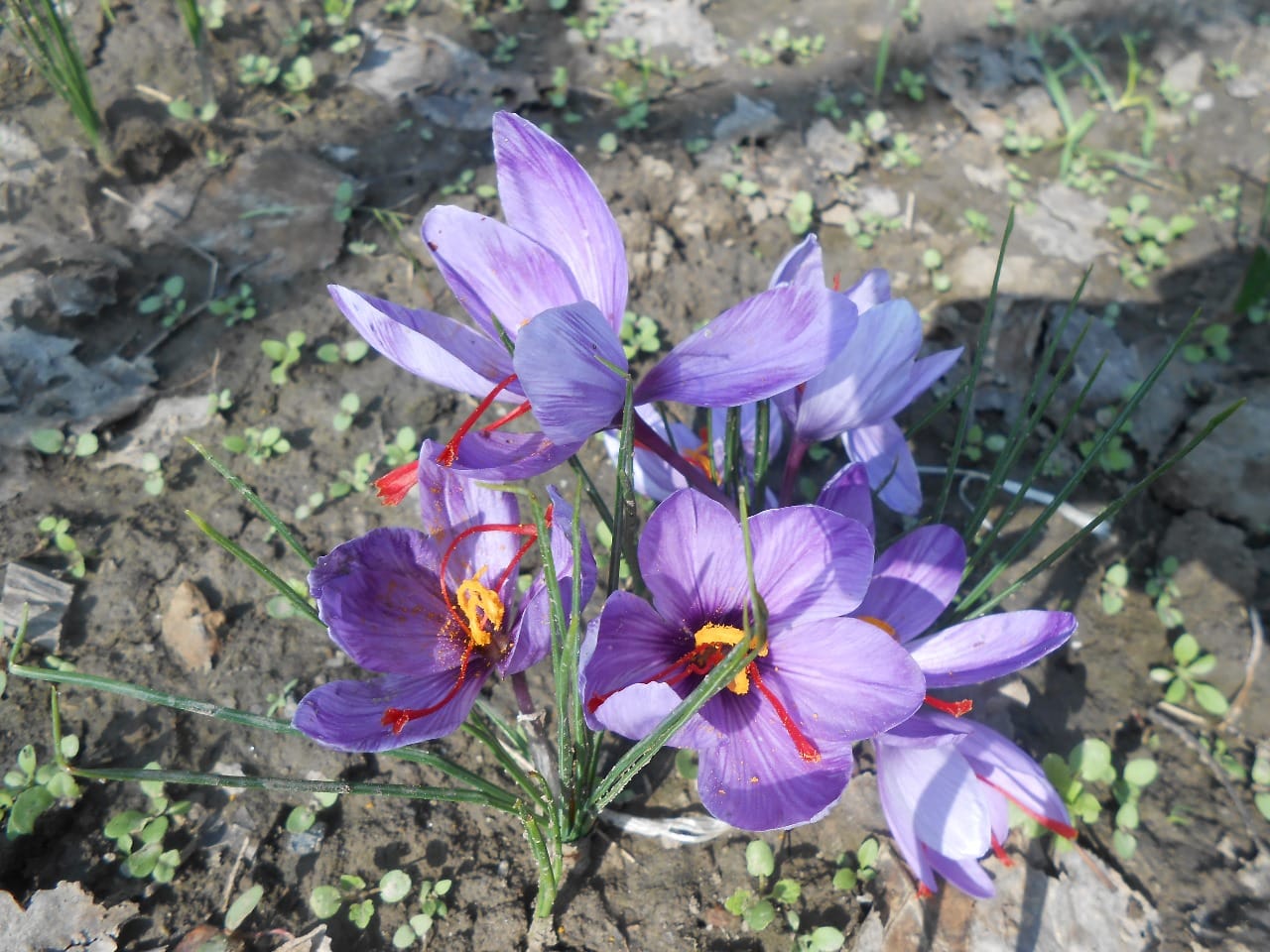
Across India — and certainly in Kashmir — expectant mothers are offered kesar doodh: warm milk with two or three strands of saffron, usually beginning in the second trimester. The customary reasons are comfort, digestion, better sleep, and the sense of occasion that saffron brings. It is a gentle ritual measured in strands, not spoons, and that restraint is the wisdom of the tradition — and it is why most women asking whether saffron while pregnant is safe are really asking about this pinch-in-milk custom, not a supplement.
What the caution is about
Saffron in large quantities is a uterine stimulant — this is documented, and it is why every responsible source draws a hard line between culinary use (a few strands) and medicinal doses (grams, or concentrated extracts). The traditional pinch sits far below the level of concern for most healthy pregnancies, which is why the custom has coexisted with obstetrics for generations. But thresholds are personal: anaemia, medication, a history of complications — all are reasons your doctor’s answer beats a website’s, including ours.
Sensible ground rules
- Amount: 2–4 strands a day, steeped in warm milk. Not extracts, not supplements, not “pregnancy saffron powders”.
- Timing: tradition favours starting after the first trimester. There is no clinically mandated week — ask your doctor what suits your case.
- Method: steep the strands 10–15 minutes in warm milk (our kesar doodh guide has the full method).
- Stop and consult if anything feels off — cramping, spotting, or any symptom you would mention anyway.
The fairness myth, retired
No food determines a baby’s complexion — that is genetics, full stop. The belief that saffron makes babies fair is folklore, and selling saffron on that promise is selling a falsehood to people at their most hopeful. Drink kesar milk for the calm, the taste, and the tradition. Those are real.
Purity matters more now than ever
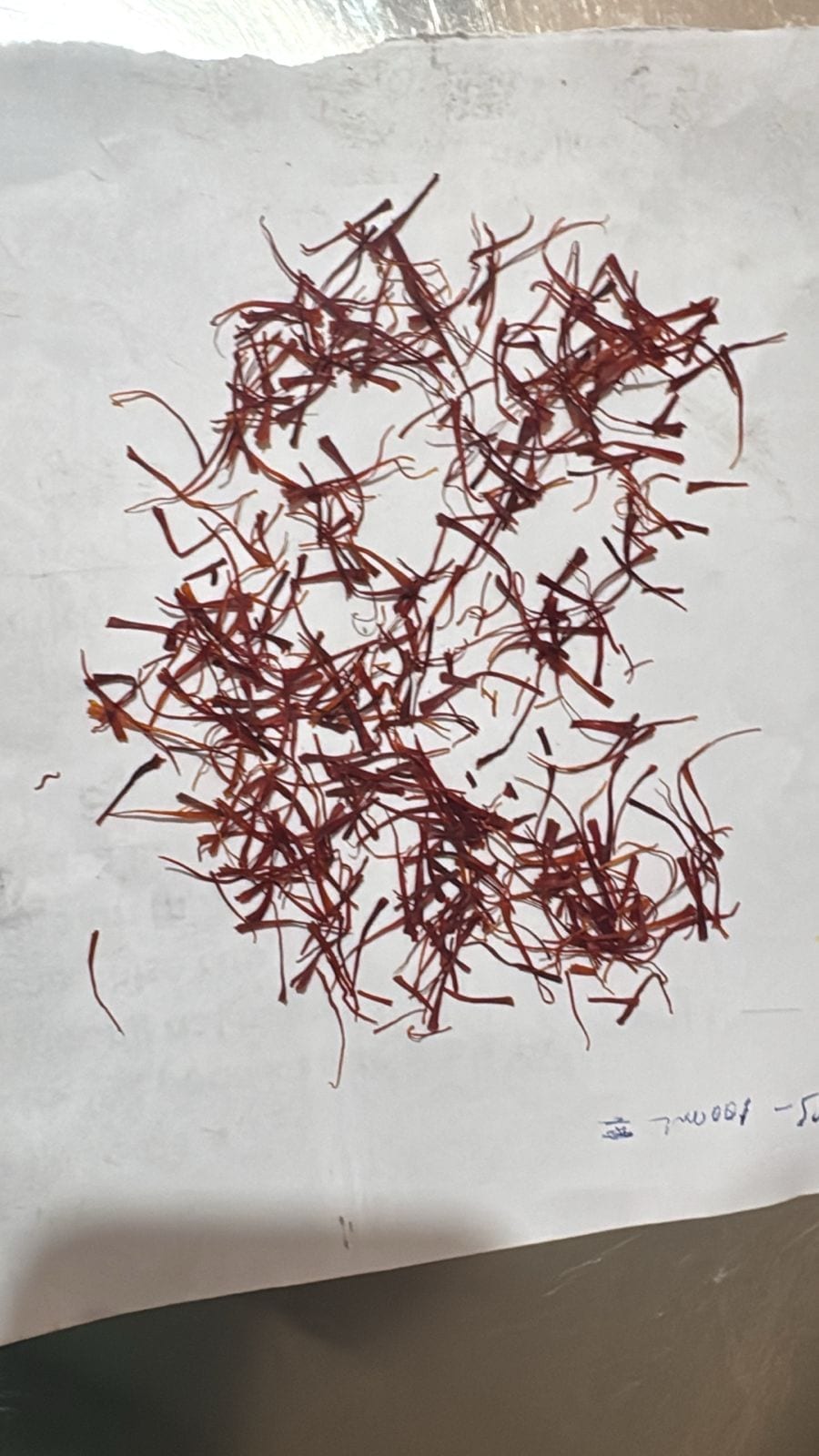
Here is the part of this topic nobody searches for but everyone should read: the biggest realistic risk of “saffron in pregnancy” is not saffron — it is fake saffron. Textile dyes and chemically treated fibres have no place near anyone, least of all an expectant mother. Before any jar goes into daily milk, run the water test from our identification guide — slow golden colour, intact threads, honey-hay aroma — and prefer GI-tagged saffron from a licensed grower and GI certification.
What the evidence actually supports, and what it does not
This is a page where being liked matters less than being accurate, so here is the state of the evidence rather than the state of the tradition.
The dose gap is the whole story. The historical reason saffron carries a pregnancy warning is that doses over 10 g have been used as an abortifacient, with serious maternal risk — bleeding, vomiting, and worse. Toxic effects have been reported at around 5 g. A traditional pinch in warm milk is roughly 12 mg. That is somewhere between four hundred and eight hundred times smaller than the doses behind the warning.
But a small dose is not the same as a studied dose. Reviews of saffron in pregnancy consistently note that human evidence is limited, and some animal work gives reason for care: high concentrations of crocetin have shown teratogenic effects in amphibians, and aqueous saffron extract has been reported to delay bone ossification in mouse fetuses. Animal studies at high doses do not translate directly to a few threads in milk — but they are why several drug references simply say to avoid saffron in pregnancy rather than attempting a safe threshold.
| Amount | What it is | Reported effect |
|---|---|---|
| ~12 mg | 3–4 threads in milk — the tradition | No documented harm at this scale; also little formal study |
| ~30 mg | The dose used in mood trials | Studied in non-pregnant adults only |
| ~5 g | Five 1 g jars in a day | Toxic effects reported, including bleeding |
| > 10 g | Not a culinary quantity | Historical abortifacient use; serious maternal risk |
Our position, stated plainly: we sell saffron, so take our reassurance with appropriate scepticism and your doctor’s advice as the one that counts. What we can say without conflict of interest is that the gap between a pinch and a harmful dose is enormous, that the harm stories involve quantities nobody consumes by accident, and that the genuine risk in an Indian market is not saffron at all — it is adulterated saffron, where the unknown is a dye rather than a spice. If you take one precaution during pregnancy, make it provenance: run the purity tests before the first glass.
Ours is grown by our own family in Pampore, graded Grade I, and traceable jar by jar (the process, the record). If your household is starting the kesar-milk tradition, the 1g or 5g jar is the right size — months of daily strands — or browse from the home page. And once more, because it bears repeating: confirm the routine with your doctor first.
Two companion pieces if you arrived here from a family conversation rather than a medical one: we answer the complexion belief on its own terms in does saffron make a baby fair, and set out the full safety picture — doses, interactions, who should avoid it — in saffron side effects.