
A good dry fruit gift box needs only three decisions made well: four to six premium varieties instead of twelve mediocre ones, everything sealed at source, and one signature item — ideally real saffron — that the receiver remembers. India gives dry fruits at every serious occasion precisely because the box is legible: everyone who opens it can read quality instantly. This guide is how to make that reading go your way.
What belongs inside (and what doesn’t)
- The base four: almonds, walnuts, figs, raisins — the canon. Whole kernels, current harvest, no broken bits padding weight.
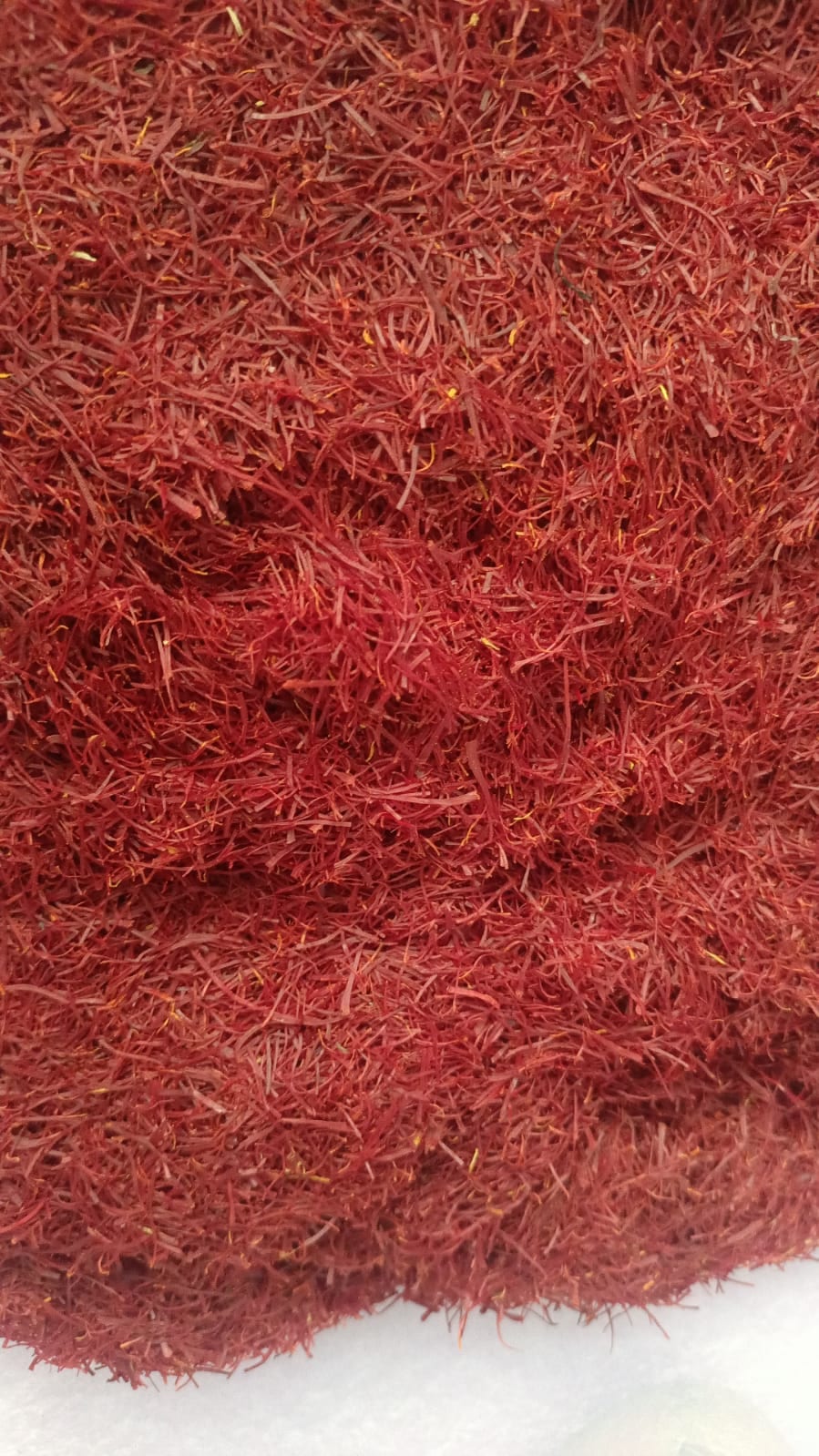
- The signature: a 1–2 g jar of Grade I Kashmiri saffron transforms a nice box into a story. It is the one component that cannot be faked cheaply, so it is the one worth choosing yourself.
- The warm extras: saffron honey or a kahwa blend — giftable rituals, not just ingredients.
- Skip: sugar-glazed “berries”, salted namkeen mixes, and anything unsealed in a velvet tray — festive dust collectors.
The quality tells (30-second check)
- Sealed inner packs. Vacuum or nitrogen-sealed pouches inside the box — open trays mean the nuts have been breathing warehouse air since packing.
- Pack date printed. No date = old stock, festive rush edition.
- Whole, uniform kernels. Pale unbroken walnut halves and plump almonds grade higher than fragments — graders charge for what gifting rewards.
- Weight honesty. 250 g of mamra-grade almonds beats 500 g of bland filler; premium boxes state net weights per item.
- Origin named. “Kashmiri walnuts from valley orchards” is checkable; “premium imported mix” is perfume.
Budget bands, honestly
₹800–1,500 — a respectable mixed box for neighbours, teachers, staff. ₹2,000–4,000 — the serious-gesture band: wooden box, saffron centrepiece, wedding families and key clients. This band is built to order rather than stocked — tell us the budget on the gifting enquiry page, and we put a 2 g jar of Grade I saffron beside almonds and walnuts, with the wrapping chosen by whoever is giving it. Above ₹5,000 — mostly packaging theatre; spend the difference on quantity or a second family instead. And the quiet arithmetic of gifting: a box that costs ₹2,500 and gets remembered beats three ₹900 boxes that get regifted.
Occasion playbook
- Diwali: order 1–2 weeks early (hampers sell through), rigid box, saffron centrepiece — it photographs, and Diwali gifts get photographed.
- Weddings: dry fruits are ritual currency on both sides; uniform boxes for the extended family, one showpiece hamper for the couple. Bulk with custom inserts is exactly what we do for 10+ orders.
- Corporate: the safe-yet-premium slot every Indian office gift aims for. GI-tagged saffron (what the tag certifies) gives the box a one-line story executives repeat.
- “Just because”: a winter box in January lands harder than the tenth Diwali box in October — the winter guide is the menu.
Why sealed-at-source decides gifting
A gift box may travel two cities and sit three weeks before opening — gifting is a stress test of the supply chain. Kernels re-packed in warm metro warehouses arrive already tired; oils oxidise, the first bite tastes flat, and your gesture pays for it. Ours go one hop: graded and vacuum-sealed in the valley, shipped tracked and tamper-sealed to the receiving door — the same single-hop chain behind everything on the Kashmiri dry fruits page, from the family whose fields are on the about page. Build the box from the shop, start at the home page, or message the order line and we’ll assemble it by hand — which is, after all, the version of the gift you were trying to give.
What separates a good box from an expensive one
Gift boxes are the one part of this market where presentation can entirely replace substance, because nobody opens a gift and audits it. Five things to check before you buy one, in the order they matter:
- Is the contents list specific? “Premium assorted dry fruits” is not a contents list. Named items with weights is.
- What is the saffron vial, really? Boxes routinely include a 0.5 g or 1 g vial as the headline item. It is often the cheapest thing in the box by cost and the most expensive-sounding on the label. If the vial does not state origin and ISO grade, assume filler — the checks are in how to identify real Kashmiri saffron.
- What fraction of the price is the box? Sheesham wood, brass fittings and velvet lining are real costs, borne by the recipient in food they did not get.
- Are the nuts dated? Gifting season is when old stock moves. Walnuts and figs are perishable; a packing date is the single most useful thing on the label.
- Is it sealed per item, or loose in compartments? Loose compartments share moisture and aroma. Saffron next to unsealed walnuts is a bad idea for both.
The honest arithmetic of gifting
A useful exercise before buying any box: price its contents separately. A box holding 250 g of mixed dry fruit and a 1 g saffron vial contains — at genuine Grade I rates — roughly ₹350 of saffron and a few hundred rupees of nuts. If the box costs ₹3,000, you are buying a container.
That is not automatically wrong. Presentation is part of a gift and there is nothing dishonest about paying for it, so long as you know which part you are paying for. What is worth avoiding is paying box prices for food prices.
Our own view, and it is a view rather than a fact: for most occasions, a good jar of one real thing beats a large box of several vague ones. A sealed 5 g saffron jar with its grade stated reads as more considered than a hamper, and the recipient can tell exactly what they were given. If you want a spread rather than a single item, two or three packs from the shop are the same food without the furniture. We retired our own gift boxes and hampers in 2026 for precisely this reason.