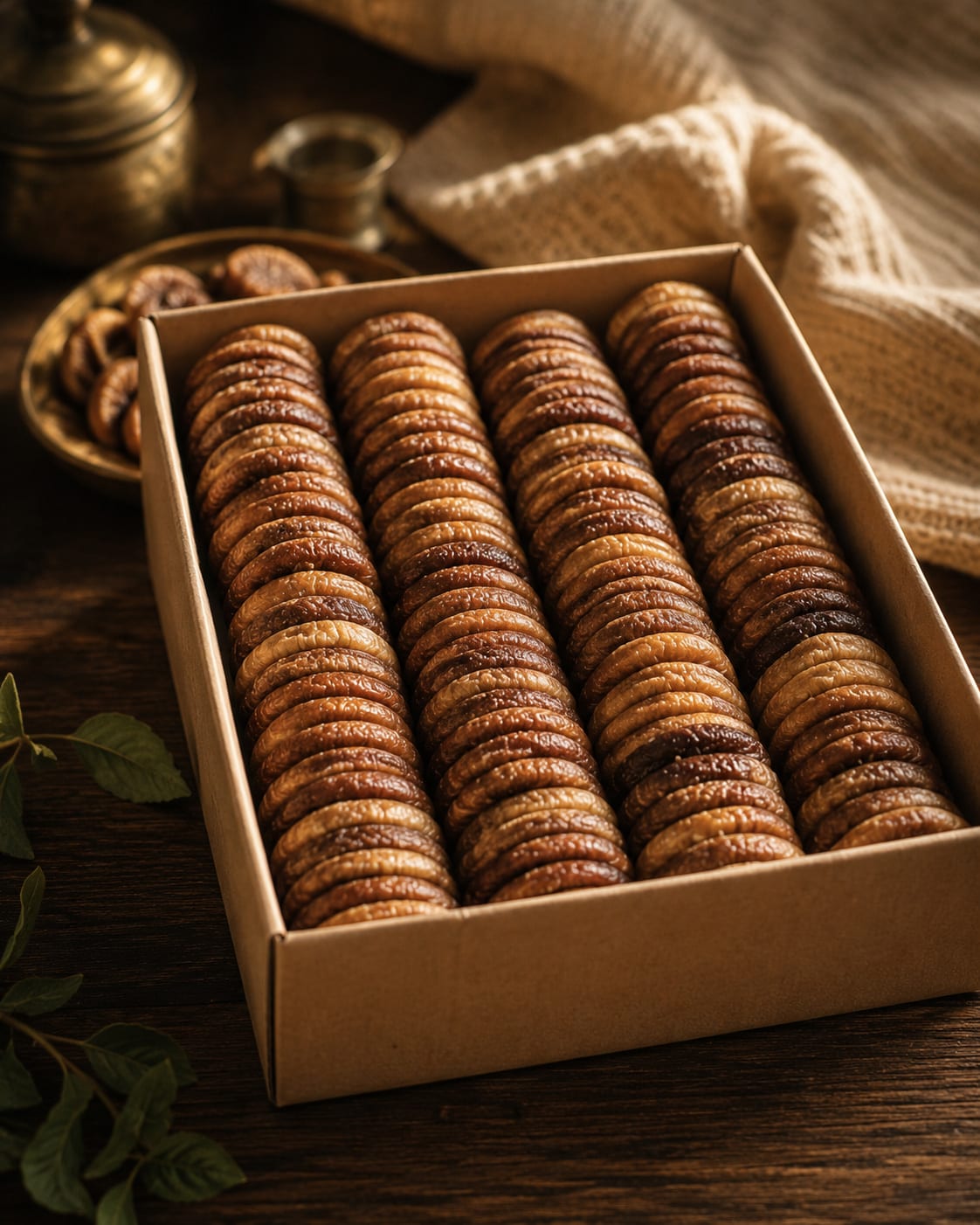
In every serious dry-fruit box, anjeer is the quiet overachiever. It doesn’t have the almond’s fame or the walnut’s omega-3 headline — what it has is minerals: dried figs are among the richest plant sources of calcium you can eat, wrapped in enough fibre to make the sweetness behave. Here is the practical guide.
What anjeer actually delivers
- Calcium: gram for gram, dried figs rival dairy as a plant calcium source — the reason they appear in traditional diets for bone support and in pregnancy pantries (with a doctor’s nod).
- Fibre: both soluble and insoluble — the basis of anjeer’s ancient reputation for digestive regularity.
- Potassium & magnesium: the everyday electrolytes most Indian diets run short on.
- Natural sweetness: figs sweeten kheer, oats and milk without refined sugar.
The honest frame, as with all our food writing: anjeer is superb daily nutrition. It supports; it does not cure.
How many, and when
2–3 figs a day is the household standard. The traditional method — soak overnight in water or milk, eat in the morning — exists for good reasons: soaking softens the fruit, mellows the sugar hit, and makes the fibre gentler. Dry figs are the travel snack; soaked figs are the ritual.
Who should moderate
Figs are concentrated fruit — sugar included. If you manage blood sugar, count anjeer inside your fruit allowance (1–2 soaked figs, not handfuls) and take your doctor’s word over any blog, including this one. The fibre also rewards a gradual start.
Buying guide: soft, pale, clean
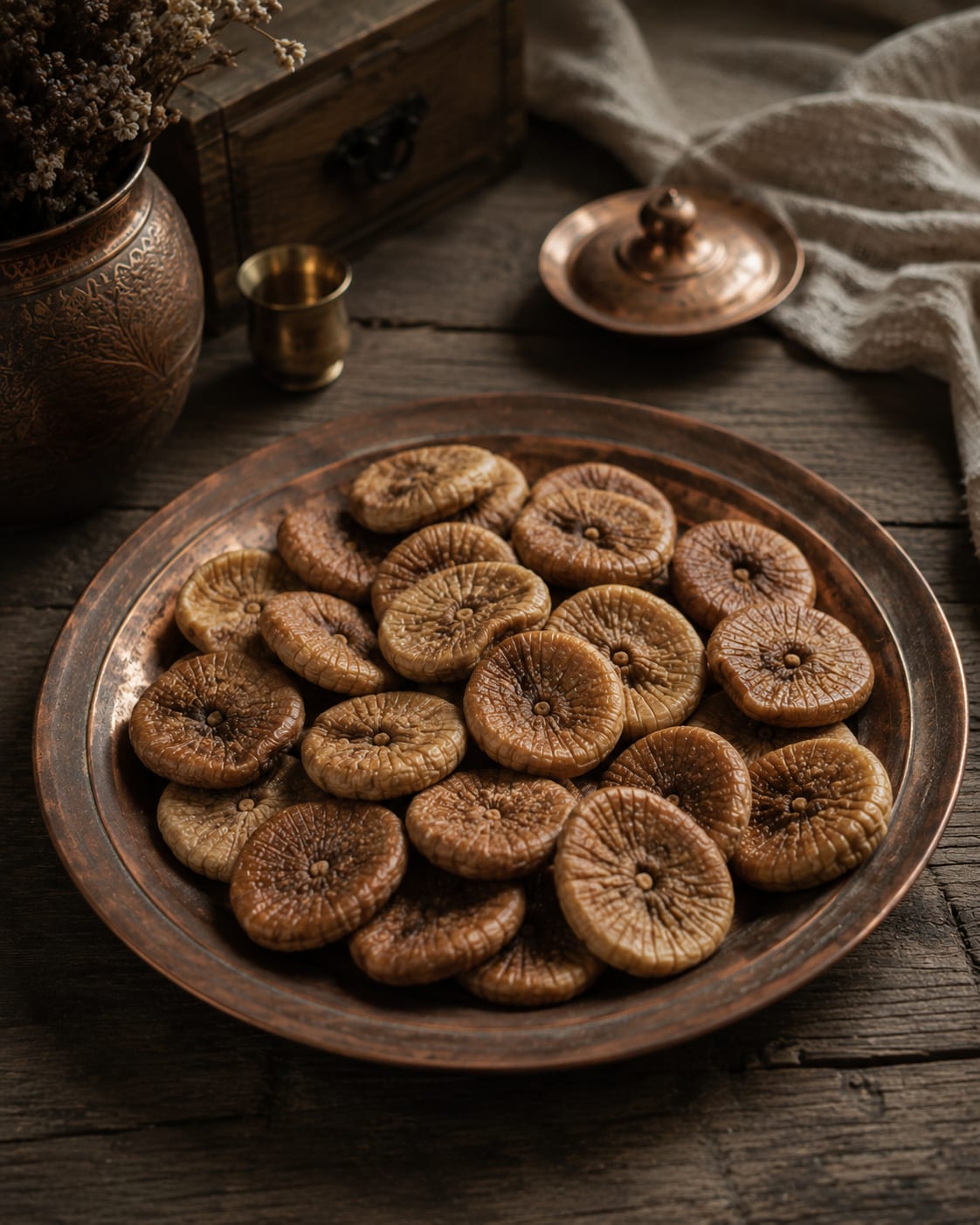
- Softness: a good fig bends. Rock-hard discs are old stock dried past their prime.
- Colour: pale gold to light brown. Very dark figs have oxidised.
- Surface: a light natural bloom is fine; heavy white crystals mean sugaring with age.
- Smell: sweet and clean — any sour or musty note means fermentation.
- Packaging: sealed with a pack date, not open trays that absorb humidity.
Kitchen uses beyond snacking
- Chopped into morning oats or overnight-soaked with almonds.
- Simmered briefly in milk for anjeer kheer — with a few strands of saffron, it needs no sugar at all.
- Blended with milk for the classic anjeer shake.
- Paired with walnuts as a no-refined-sugar dessert plate.
Our premium dried figs are grown in our own orchards and those of our FPO member families, then soft-dried, hand-sorted and sealed at source — the same direct-from-origin standard as everything else in the range (how we work). They also sit alongside the almonds and walnuts we ship — or start from the home page and build your own pantry. Buying several at once? Our page on Kashmiri dry fruits online puts the figs, almonds, walnuts and saffron side by side.
The numbers behind the reputation
Anjeer is one of the few traditional Indian foods whose folk reputation and its nutrition label point the same way. Drying concentrates the fruit, and two nutrients in particular:
| Per 100 g | Dried figs | Fresh figs |
|---|---|---|
| Calcium | ~162 mg | ~35 mg |
| Dietary fibre | ~9.8 g | ~2.9 g |
That calcium figure is the reason anjeer keeps appearing in conversations about bone health and in diets that exclude dairy. It is genuinely high for a fruit — roughly four to five times fresh figs, weight for weight. Two useful caveats, though. Drying concentrates everything, sugar included, so 100 g of dried figs is a much larger sugar load than 100 g of fresh. And plant calcium is generally absorbed less efficiently than dairy calcium. Anjeer is a good contributor. It is not a substitute for a calcium strategy.
Why soaking is the standard instruction
Two or three figs soaked overnight in water, eaten in the morning, is the traditional prescription across most of India — and unlike many such rules, this one has a straightforward mechanism behind it.
- Fibre needs water to work. Nearly 10 g of fibre per 100 g does very little for digestion without fluid, and can be uncomfortable without it. Soaking supplies the water alongside the fibre.
- Texture and chewability. Properly dried figs bend rather than crack; soaking softens them further.
- Portion control, accidentally. Two soaked figs feel like a serving. Dry figs from a jar disappear by the handful, and at this sugar concentration that matters.
Judging a fig before you buy it
- It should bend, not snap. A fig that cracks has been over-dried or is simply old.
- A white bloom is usually fine. Natural sugar crystallising at the surface is normal; fuzzy or grey growth is not.
- Sulphur is a choice, not a requirement. Uniform pale-golden figs are often sulphur-treated to prevent browning. Naturally dried figs are darker and less pretty. If a label does not say, ask.
- Stickiness that coats your fingers can mean added syrup rather than fruit sugar.
Ours are soft-dried Kashmiri figs off our own trees, sold whole so you can see all four of those things before you commit. If you would rather not commit to a kilo of one thing, they sell in 250 g and 500 g packs in the shop. How those prices compare with the rest of the market is in our anjeer price per kg guide.